

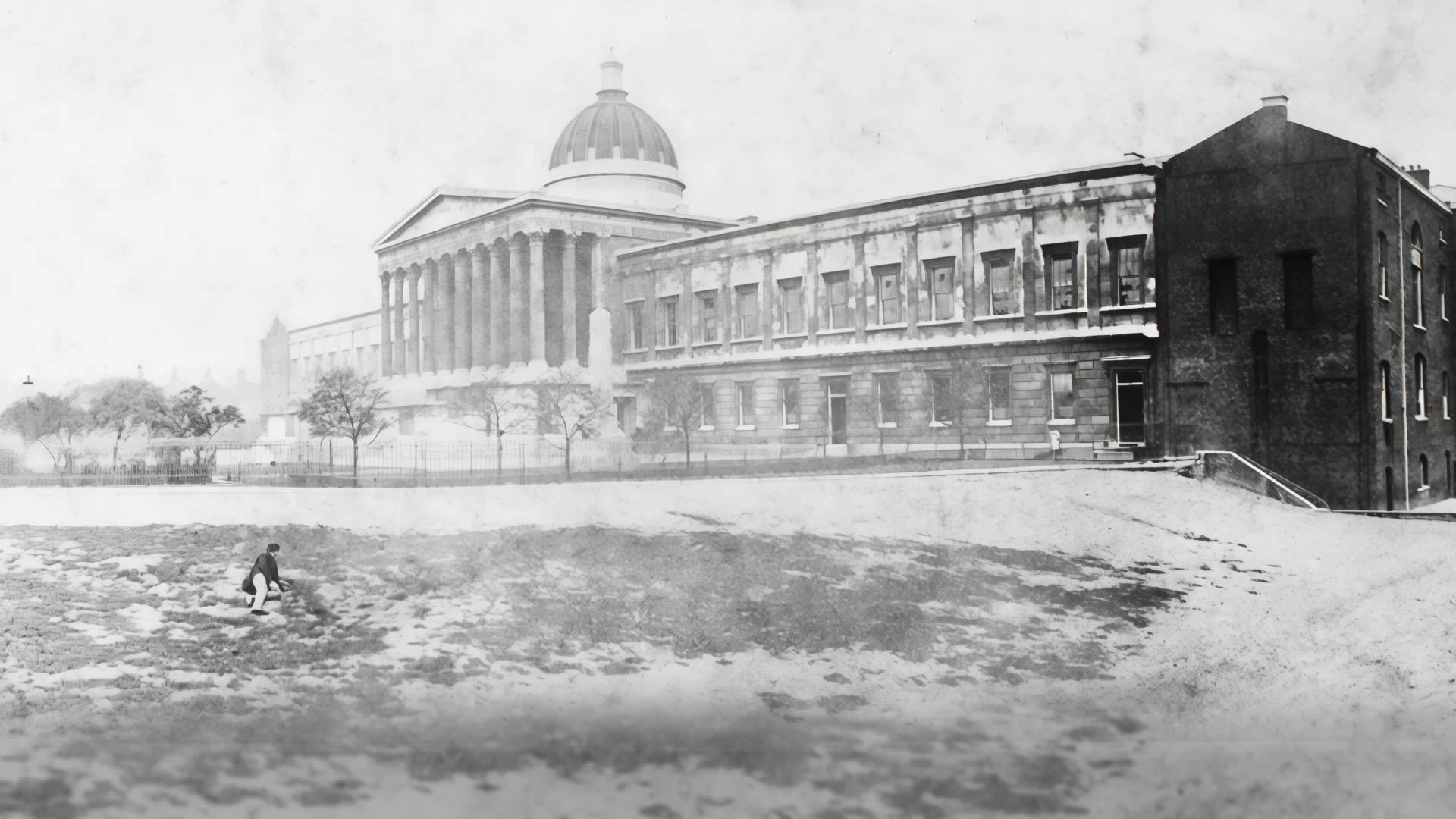

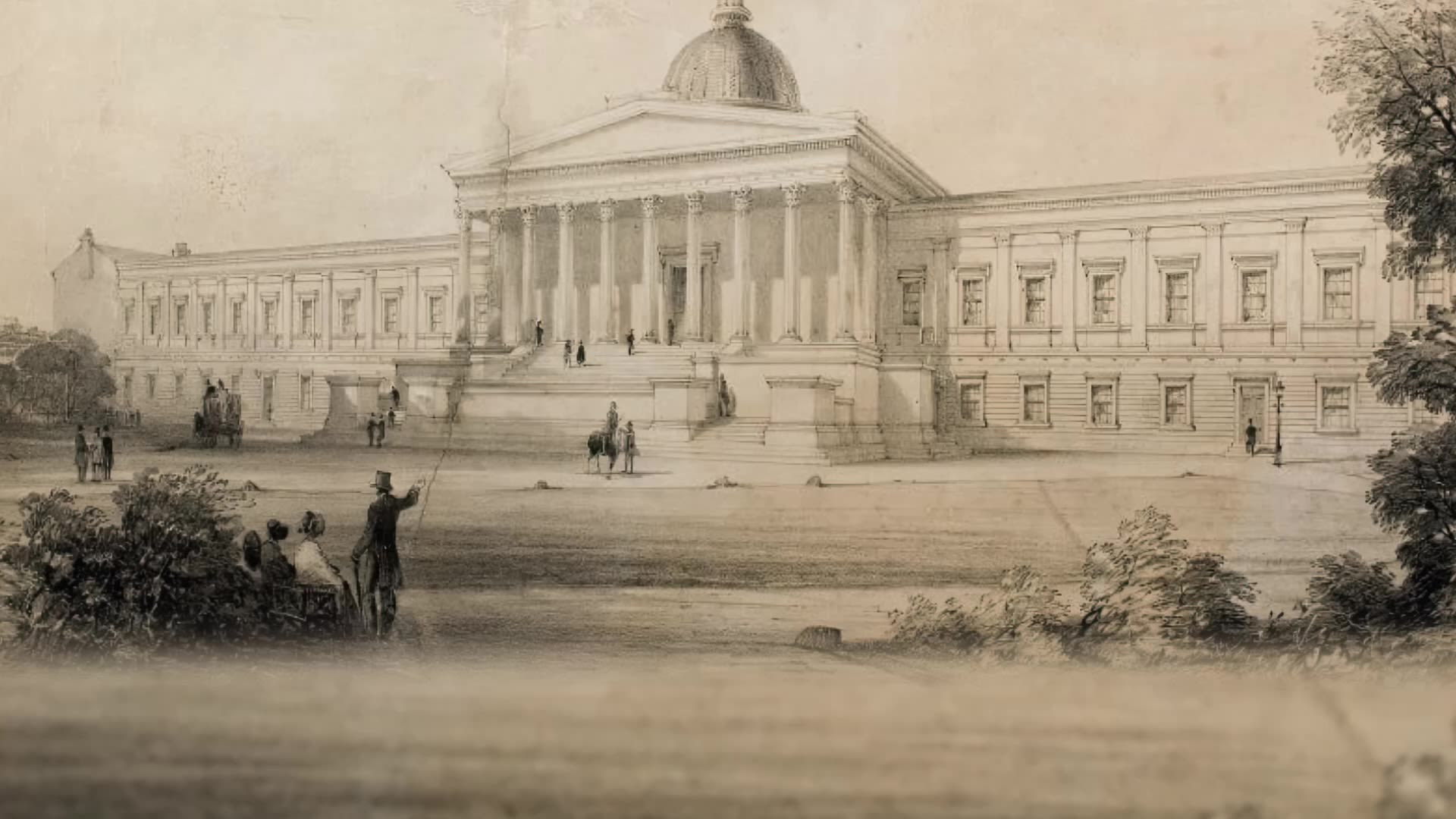
200 years of UCL
Here, it began with a bold idea.
University College London (UCL) was established in 1826 with a new vision: to make higher education accessible to all. As London’s first university, UCL challenged convention by admitting students regardless of faith, introducing practical subjects, and later granting women access to higher education alongside men.
Over two centuries, UCL has remained at the forefront of research and innovation, achieving numerous firsts and shaping disciplines from medicine and science to the arts and humanities.
This timeline presents milestones that have marked UCL’s journey - moments of progress, discovery, and transformation that influenced the university and the wider world.
For 200 years, history has happened here.
1800s
9 February 1825
First public announcement of the University

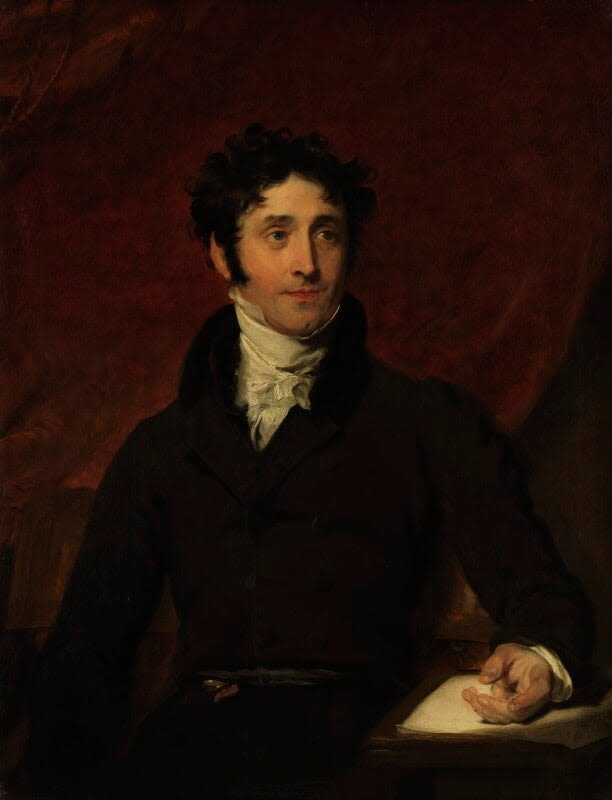
By the 19th century, London was Europe’s largest city but one of the few capitals without a university. Inspired by liberal education in Germany, the Scottish poet Thomas Campbell wrote to The Times proposing an institution 'worthy of our gigantic metropolis' to teach the youth of the growing middle class. This led rapidly to discussions with Henry Brougham MP and fellow prominent reformers.
Image credit: Thomas Campbell
Sir Thomas Lawrence, c. 1820
© National Portrait Gallery, London, NPG 198
11 February 1826
Founding of the ‘London University’

Established by progressive and liberal reformers, the new London University was a non-sectarian institution inspired by the radical ideas of philosopher Jeremy Bentham.
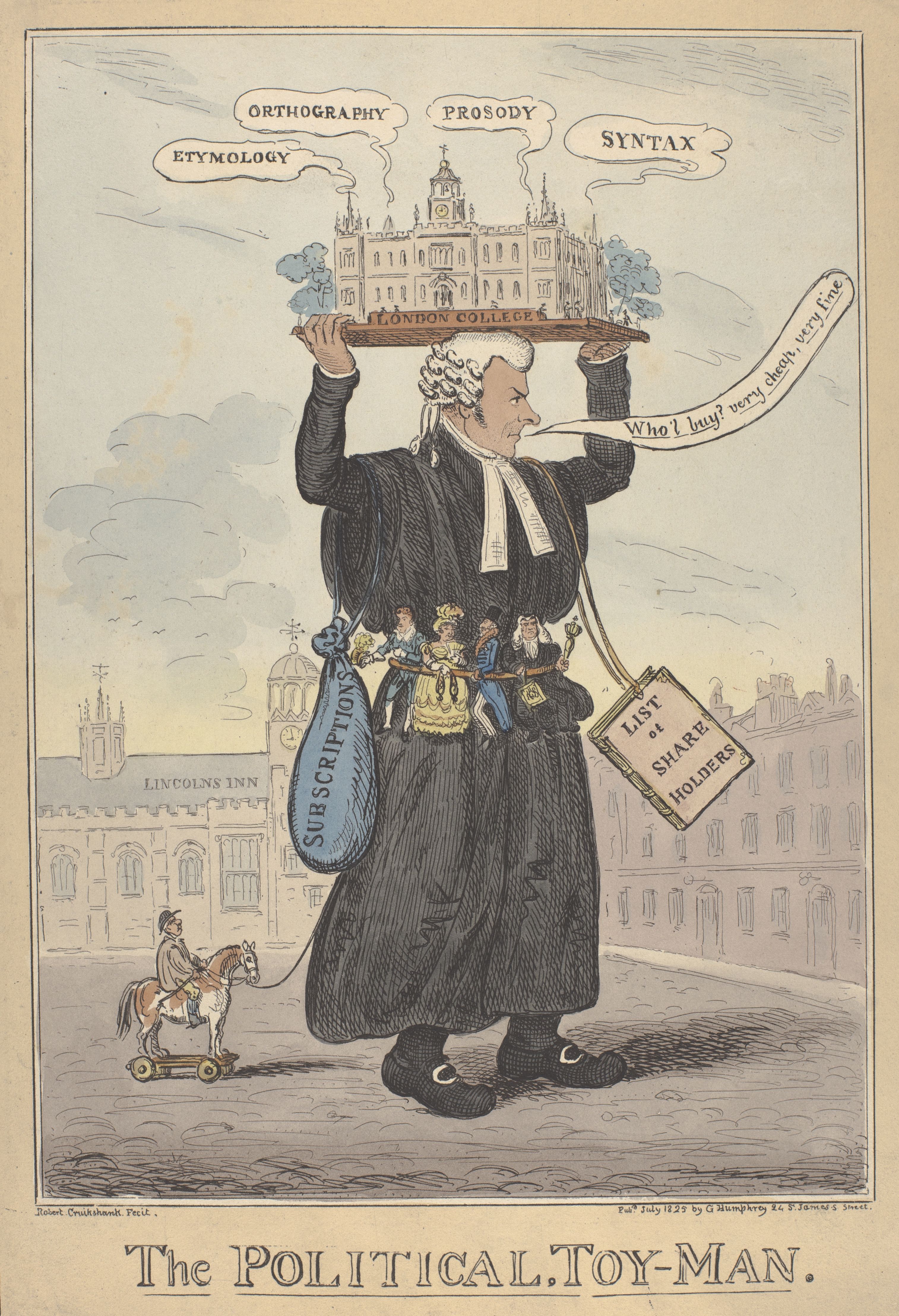
Nicknamed the ‘Cockney College’ by a hostile press, it was established as a joint-stock company selling £100 shares and initially lacked a Royal Charter.
This caricature of UCL founder Henry Brougham pictures him selling shares to raise capital, likening him to a street seller of cheap children’s toys.
Image credit:
Isaac Robert Cruikshank, The Political Toy-Man, 1825
UCL Special Collections, FA 23
30 April 1827
Foundation stone laid by the Duke of Sussex

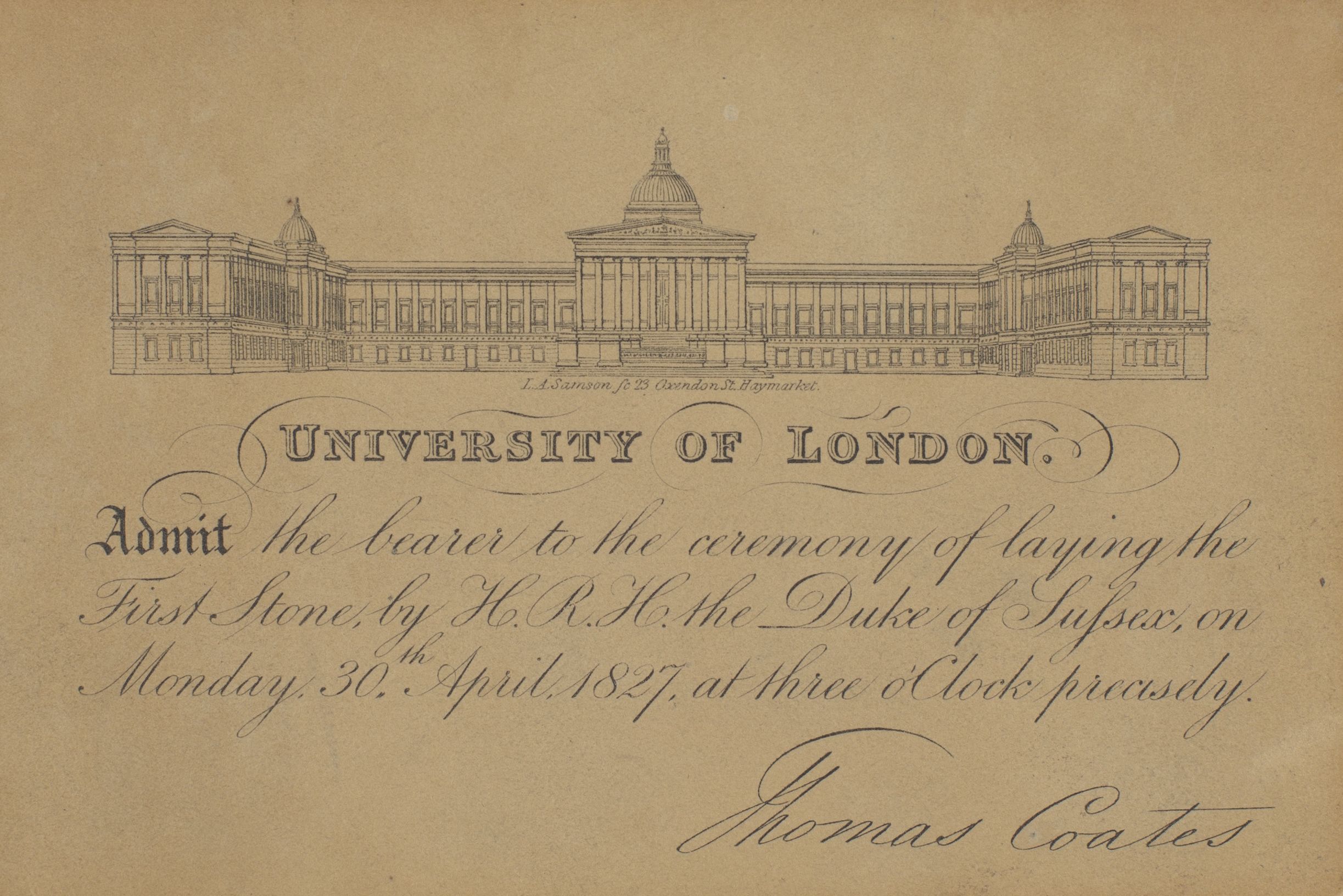
Philanthropists Sir Isaac Lyon Goldsmid, John Smith and Benjamin Shaw purchased nearly eight acres in Bloomsbury for the new university campus in August 1825.
The sale of shares in the university helped fund the construction of William Wilkins’s architectural design, with the foundation stone laid by the Duke of Sussex, brother of George IV, in April 1827.
Image credit:
Invitation to the Laying of the Foundation Stone, 1827
UCL Special Collections, MS ADD 363
1827
Appointment of UCL’s first professors

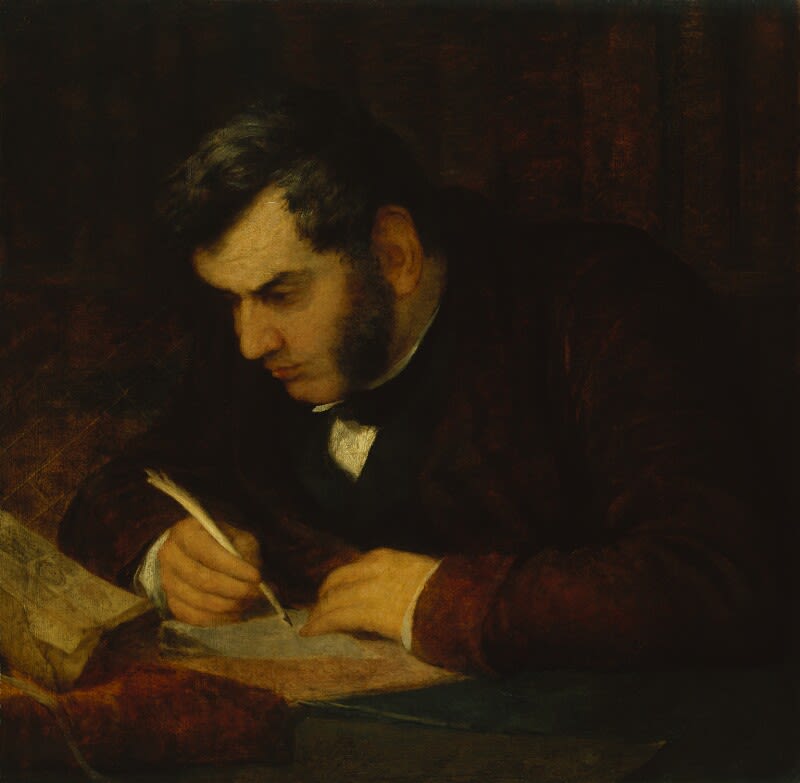
UCL was the first English university to introduce Chairs in English, Italian, German, Spanish and Physiology.
Alongside Chairs of Law, Anatomy, Surgery and Chemistry, the first decade also brought expansion into Geography, Mathematics and Engineering.

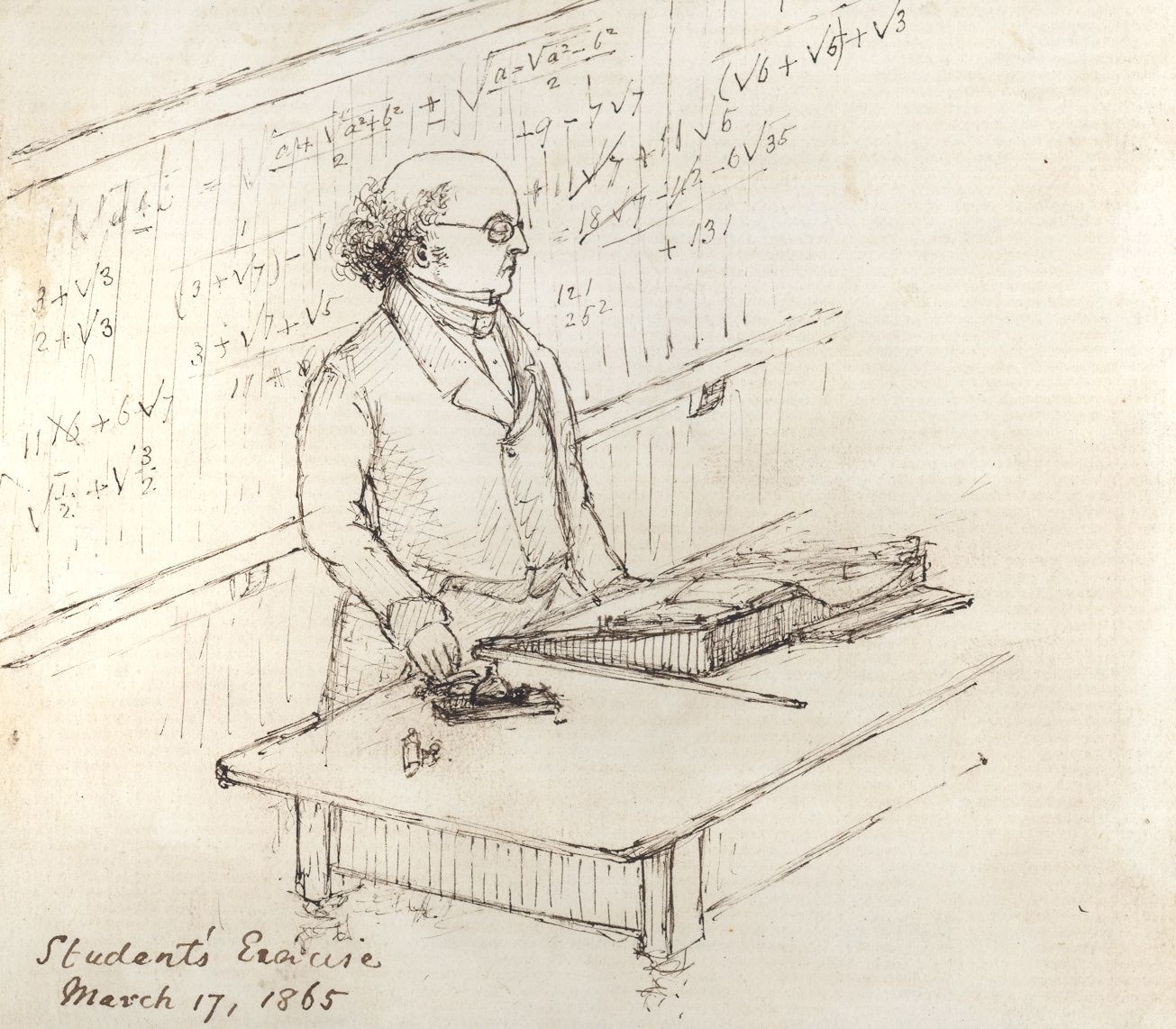
Image credit:
Sir Anthony Panizzi, first Chair of Italian
George Frederic Watts, c. 1847
© National Portrait Gallery, London, NPG 1010
Image credit:
Augustus De Morgan, first Chair of Mathematics, by a Student, 1865
UCL Special Collections, MS ADD 7
1828
Welcoming the first students
UCL was the first university in the UK to admit students irrespective of faith, opening higher education to those traditionally excluded on religious grounds – including students from Jewish, Roman Catholic and Non-Conformist communities. This secular principle initially denied UCL a Royal Charter, although it was later granted in 1836.
Uniting students from diverse backgrounds, early student societies soon emerged including the Medical Society and the Literary and Philosophical Society.
1828
Founding of the Grant Museum of Zoology

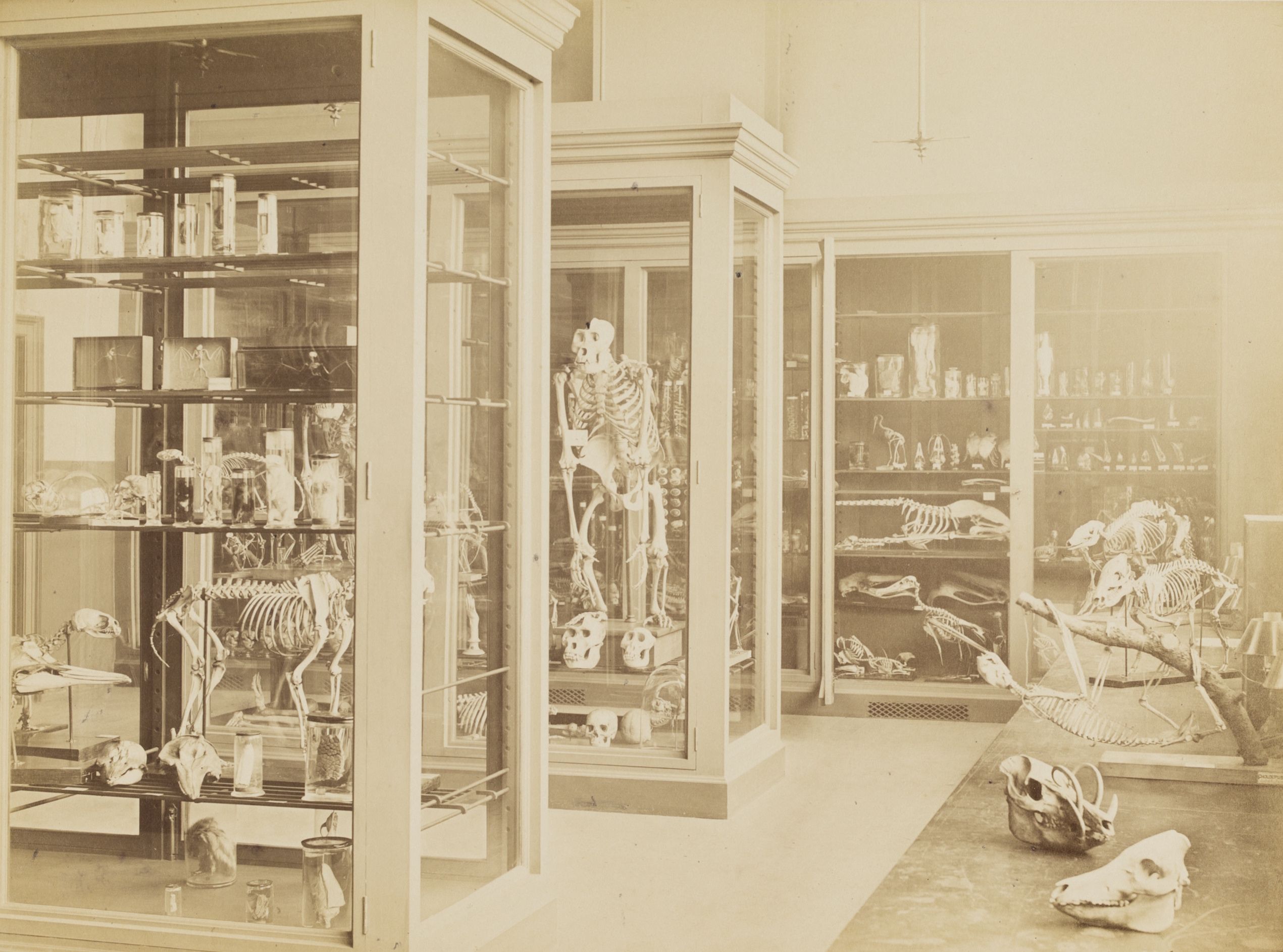
Professor Robert E. Grant gave his first lecture using zoological specimens that would later form the basis of the Grant Museum of Zoology.
Now home to 100,000 specimens from every ocean and continent, Grant’s collections continue to make a significant impact on how we understand and learn from the natural world.
Image credit:
The Grant Museum of Zoology, c. 1880s
UCL Special Collections, UCLCA/7
1830
Founding of University College School

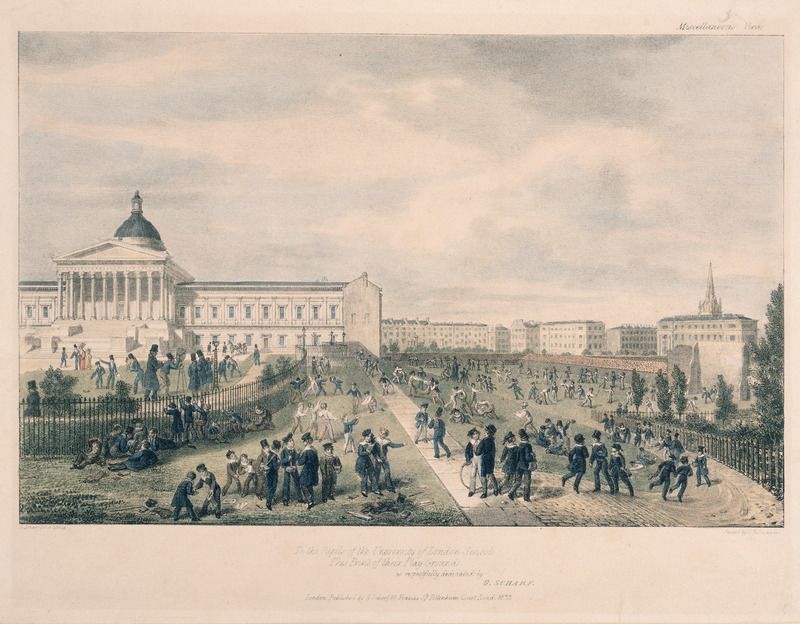
Connected in both place and spirit, a boys’ school opened beside UCL in 1830. Later named University College School, it rejected corporal punishment, bullying and religious requirements, and introduced geography, science and modern languages to the curriculum.
A model for educational reform, the school also helped sustain UCL through early financial struggles.
Image credit:
The Playground of the University of London School
George Scharf, 1833
UCL Art Museum, LDUCS-4484
1832
Early steps towards women’s admission
Two women attended William Ritchie’s Natural Philosophy course in 1832, marking UCL’s first recorded steps towards opening higher education to all.
Initially, women were only permitted to attend occasional classes, but early opportunities such as these shaped a path for future inclusion.
1834
Founding of University College Hospital

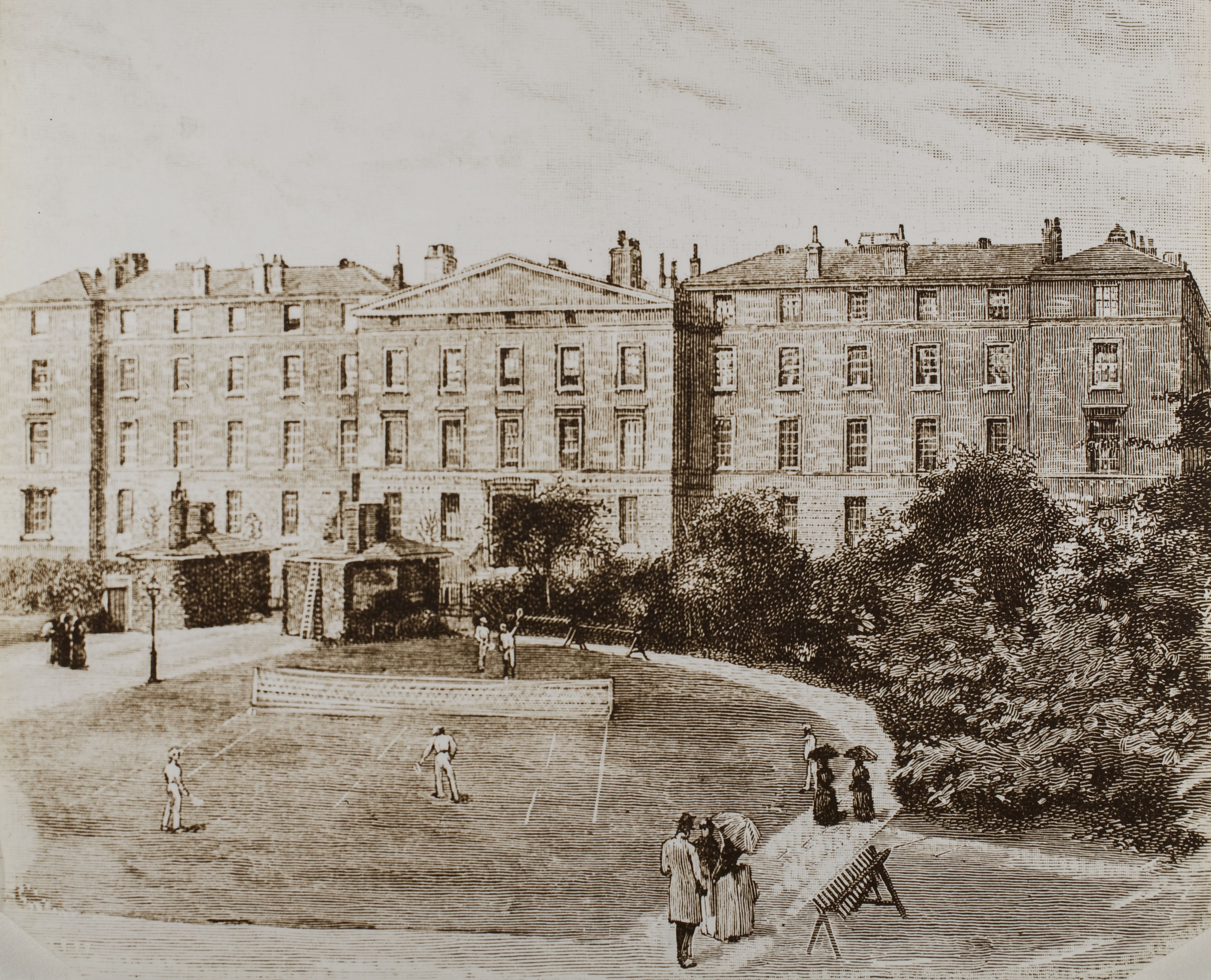
UCL was the first English university to establish its own teaching hospital.
Opened as the North London Hospital and later renamed University College Hospital, it quickly gained recognition as one of the nation’s leading medical institutions – uniting academic teaching with hands-on clinical practice in a model now emulated worldwide.
Image credit:
University College Hospital building
UCL Special Collections, UCH Photographs, UCLCA/7
1836
UCL incorporated by Royal Charter

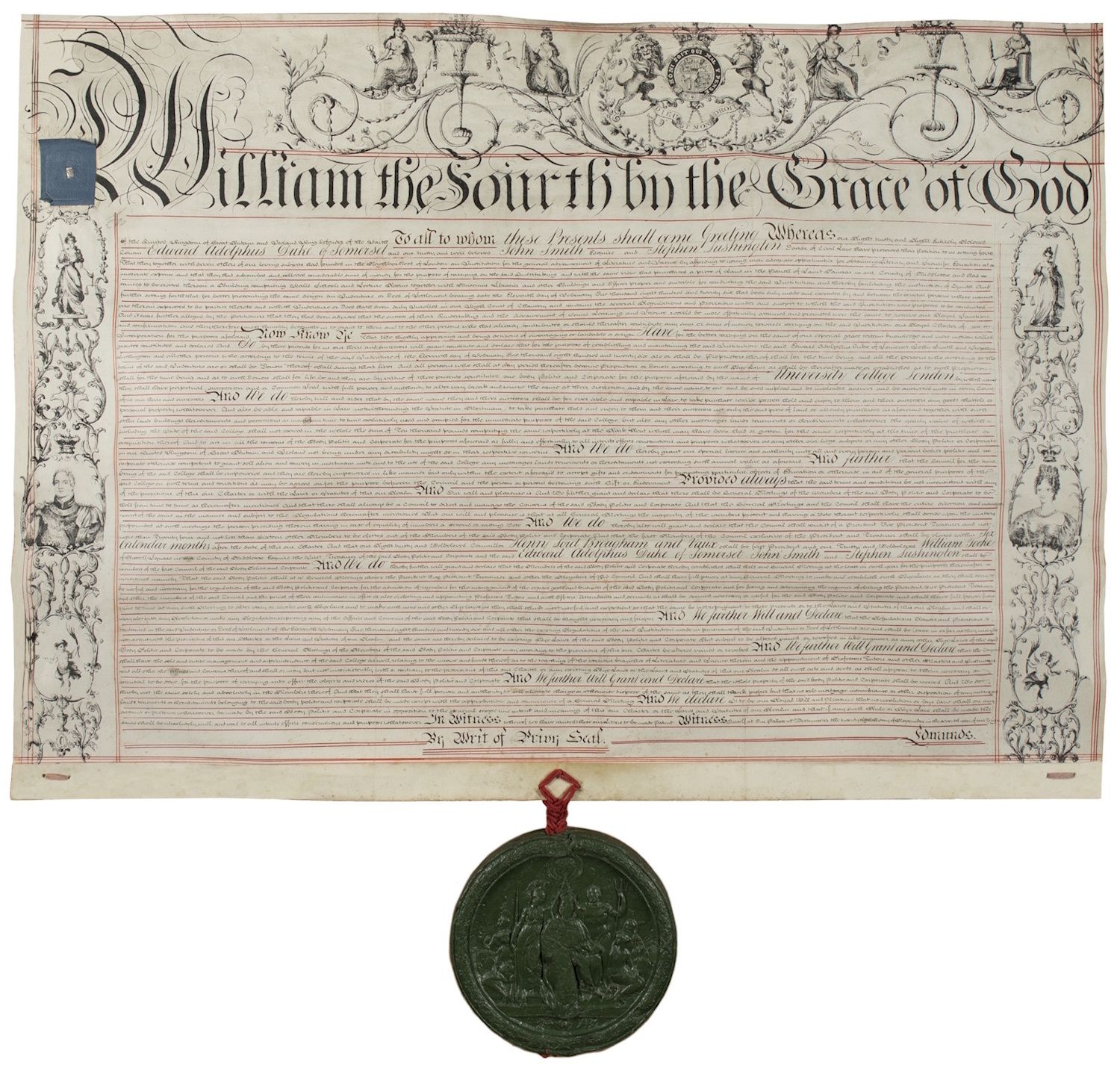
On 28 November 1836, the university received its Royal Charter and was formally reconstituted as 'University College, London'.
On the same day, the University of London was established with the power to confer degrees on students from UCL and King’s College London - marking a new era for higher education in the capital.
Image credit:
UCL Charter, 1836
UCL Special Collections, UCLCA/1/2/1
1841
Appointment of first Chair of Architecture

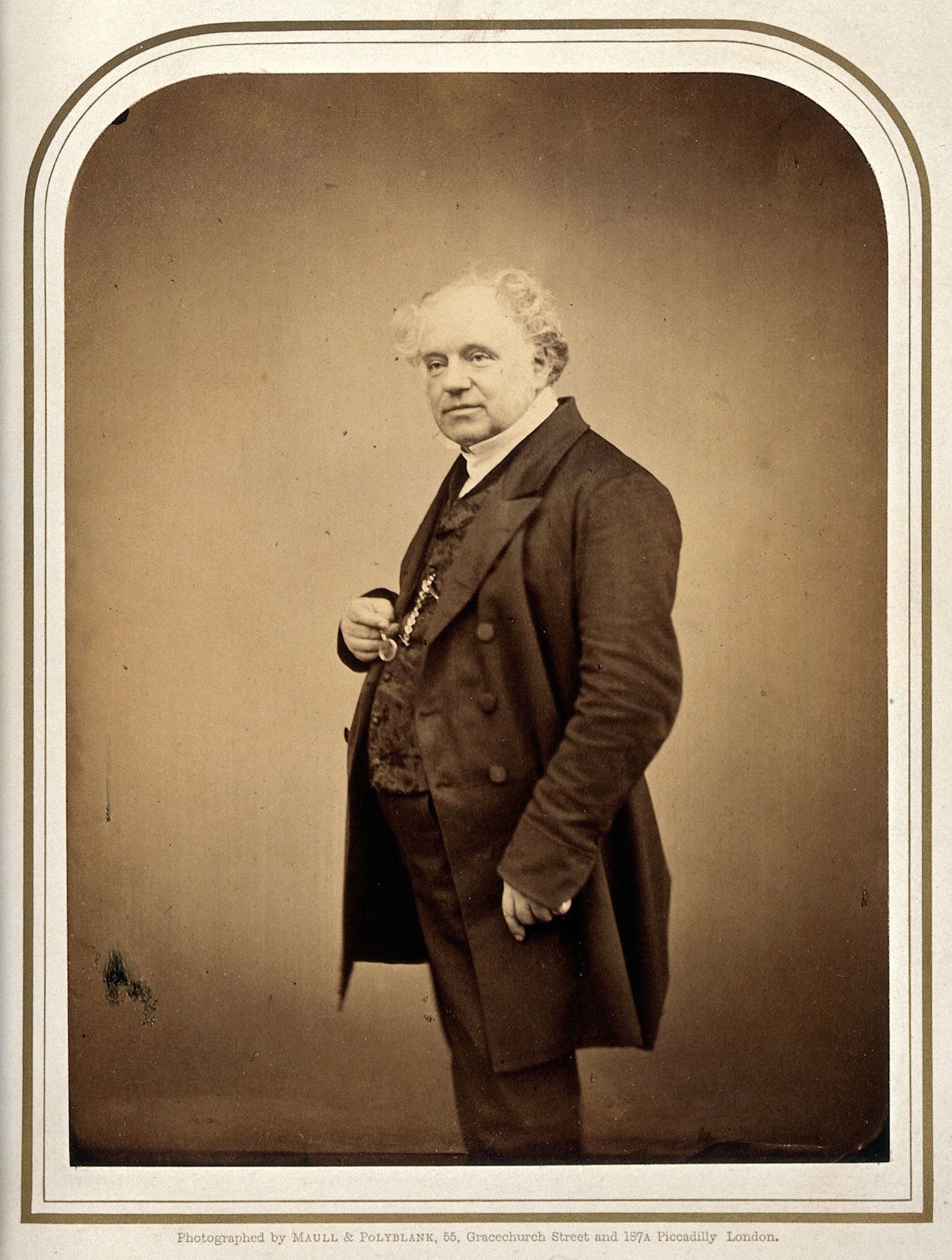
Thomas Leverton Donaldson was appointed the first Chair of Architecture at UCL - and, indeed, in the UK.
A key figure in establishing both the architectural field and practice, Donaldson also co-founded the Royal Institute of British Architects and laid the foundations for what would become The Bartlett, UCL’s Faculty of the Built Environment, in 1919.
Image credit:
Thomas Leverton Donaldson, Maull & Polyblank, c. 1860s
Wellcome Collection, 12646i
1846
First operation under anaesthetic in Europe

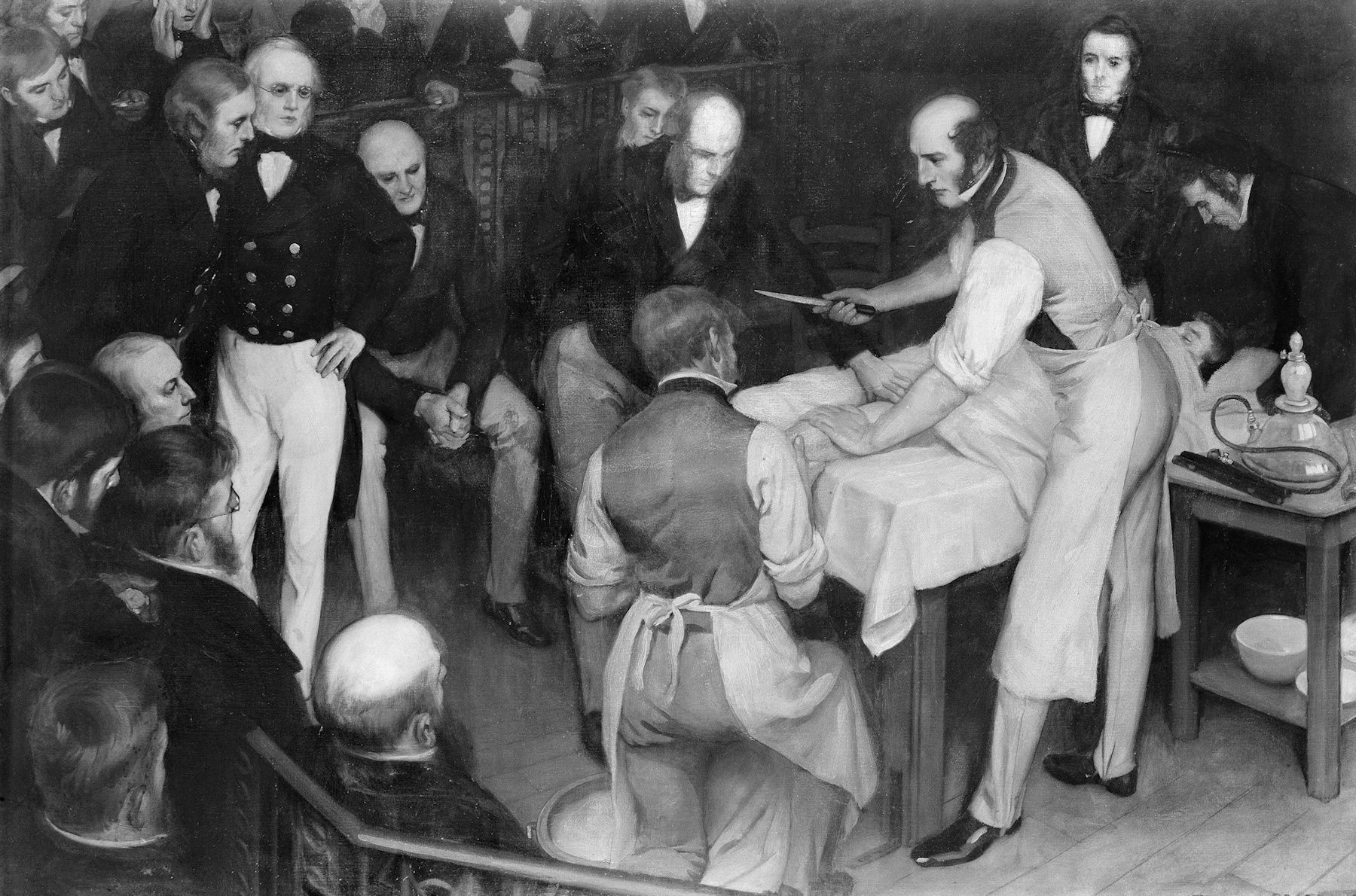
Surgeon Robert Liston successfully performed Europe’s first public operation under modern anaesthetic at University College Hospital.
This landmark moment transformed medical care - sparing patients excruciating pain, enabling complex procedures, and transforming surgical practice from a brutal test of endurance to a precise, life-saving discipline.
Image credit:
Robert Liston performing the first surgical operation in England with ether as an anaesthetic, 21 December 1846
Ernest Board, 1912
Wellcome Collection, M0005603, Attribution 4.0 International (CC BY 4.0)

1850s
1851
Opening of the Flaxman Gallery

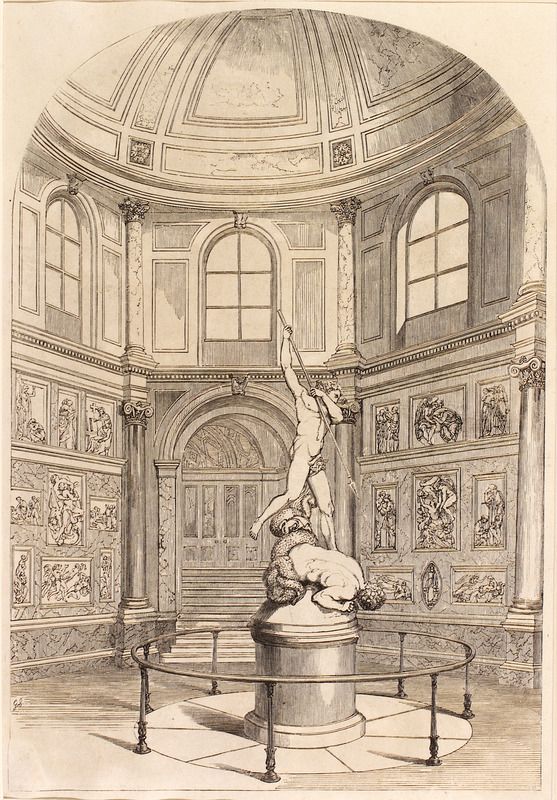
Following sculptor John Flaxman’s death in 1826, his sister-in-law, Maria Denman, sought a public home for his studio collection.
Early UCL supporter Henry Crabb Robinson rescued the works from sale and established a committee to fund their conservation, leading to the creation of the spectacular Flaxman Gallery.
Since then, the university has acquired more than 10,000 works produced by a diverse range of artists. Now held by UCL Art Museum, these collections support interdisciplinary teaching, research and public engagement.
Image credit:
Flaxman Gallery, c. 1851
UCL Art Museum, LDUCS-2849
1861
Advancing women’s education through landmark physiology course

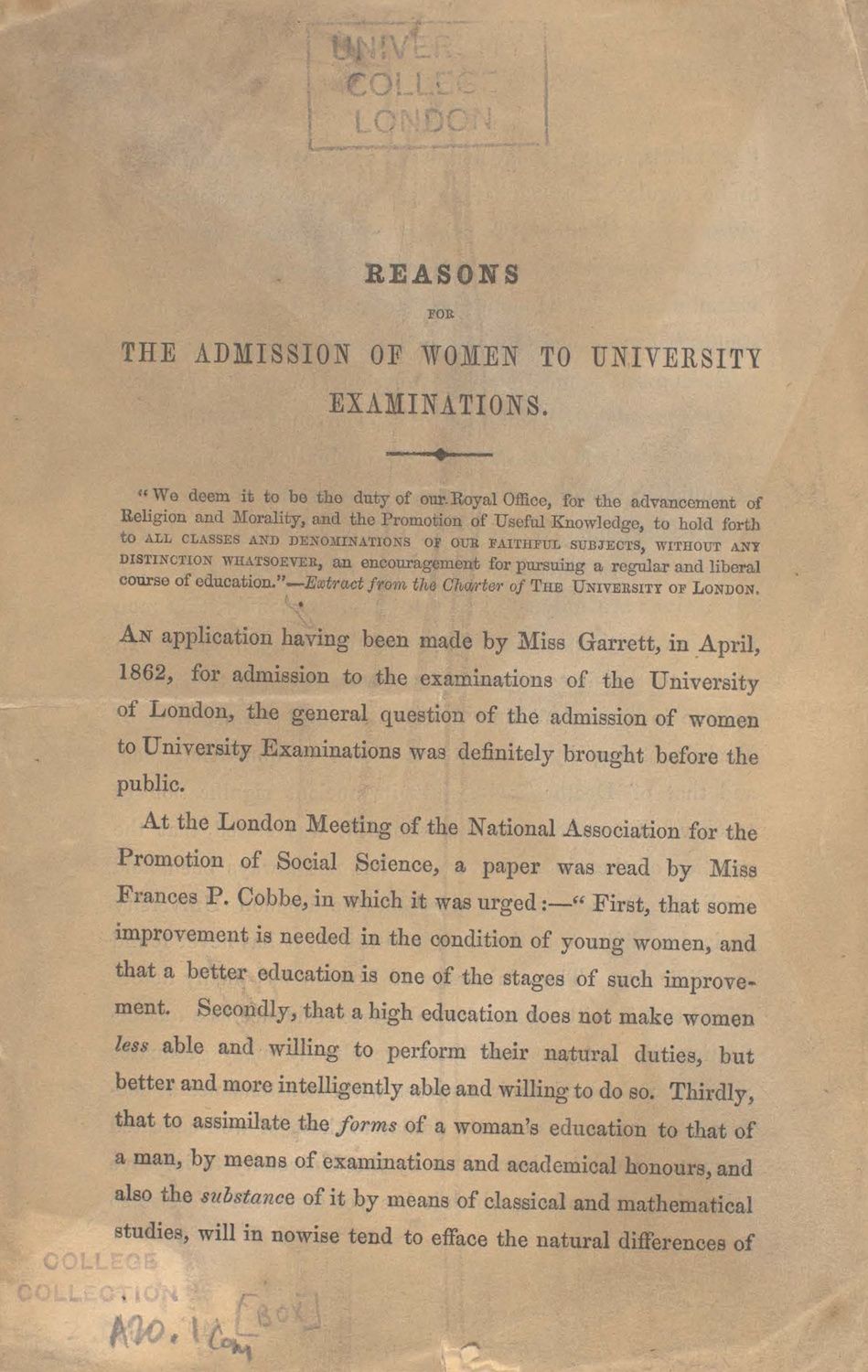
Conducted on behalf of the Ladies’ Sanitary Association, surgeon John Marshall taught a full course on Animal Physiology to a class of 113 women.
This reflected a growing demand for structured educational opportunities among women, marking an important step in expanding access to higher education.
Image credit:
Reasons for the Admission of Women to University Examinations, 1862
UCL Special Collections, College Collection, A 20.1 COM
1861
Formation of London Ladies’ Educational Association
UCL’s collaboration with the London Ladies’ Educational Association began in 1868, with the offering of its first series of lectures for women.
While lectures were held separately from male students, the university Council permitted classes such as Chemistry and Physics to take place in College theatres, giving women access to specialist equipment.
1871
UCL Slade School of Fine Art opens

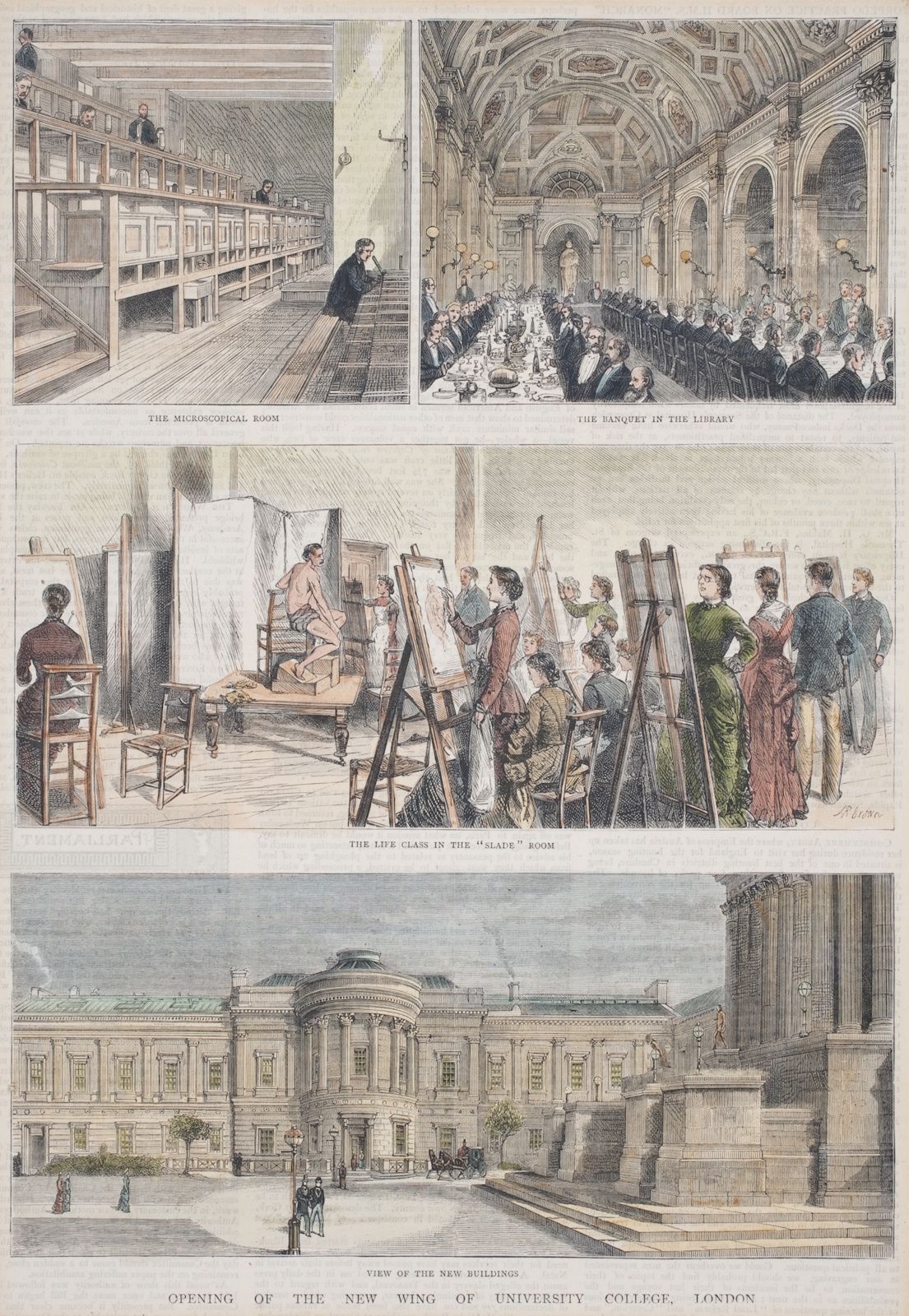
The UCL Slade School of Fine Art, supported by money left in the will of collector and philanthropist Felix Slade, played a pivotal role in introducing women to university life and opened its doors to both men and women. Women formed the majority of Slade students and were even permitted to draw from partially draped nude models.
Nurturing generations of progressive artists – including six Turner Prize winners, notably the first female winner Rachel Whiteread, 1993 – the Slade also pioneered England’s first film studies unit.
Image credit:
View of UCL, Including A Life Class in the 'Slade' Room
J.R. Brown, The Graphic, 26 February 1881
UCL Art Museum, LDUCS-8679
1878
UCL becomes the first UK institution to formally welcome women to degree study

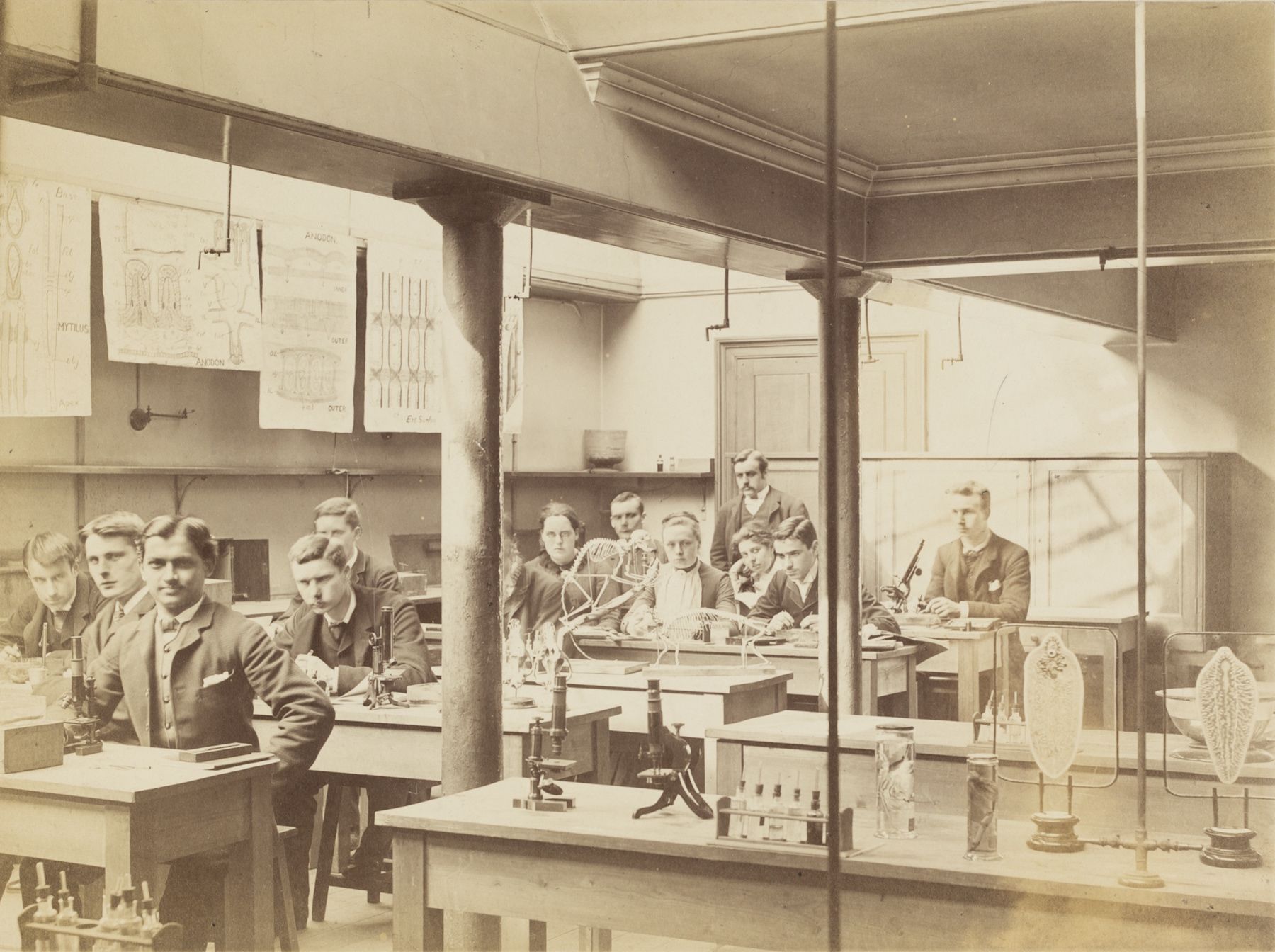
UCL was the first UK institution to formally admit women to higher education and also the first to award women degrees – enabling them to study alongside men in Science, Arts and Laws, and then in Medicine from 1917. Prior to 1917, women in London could study medicine at the London School of Medicine for Women (now part of UCL Medical School).
Women’s residence, College Hall, opened in 1882, while the appointment of Rosa Morison as Lady Superintendent offered further practical and pastoral support.
Degrees at the time were conferred in the name of the University of London and many women went on to be the first in their field. This includes Eliza Orme, the first woman to earn a law degree in England and Louisa Aldrich-Blake, the first British woman to achieve a Master’s degree in surgery.
Image credit:
Women and men students in a Zoological Laboratory, 1887
UCL Special Collections, UCLCA/7
1892
Establishment of the Petrie Museum of Egyptian and Sudanese Archaeology

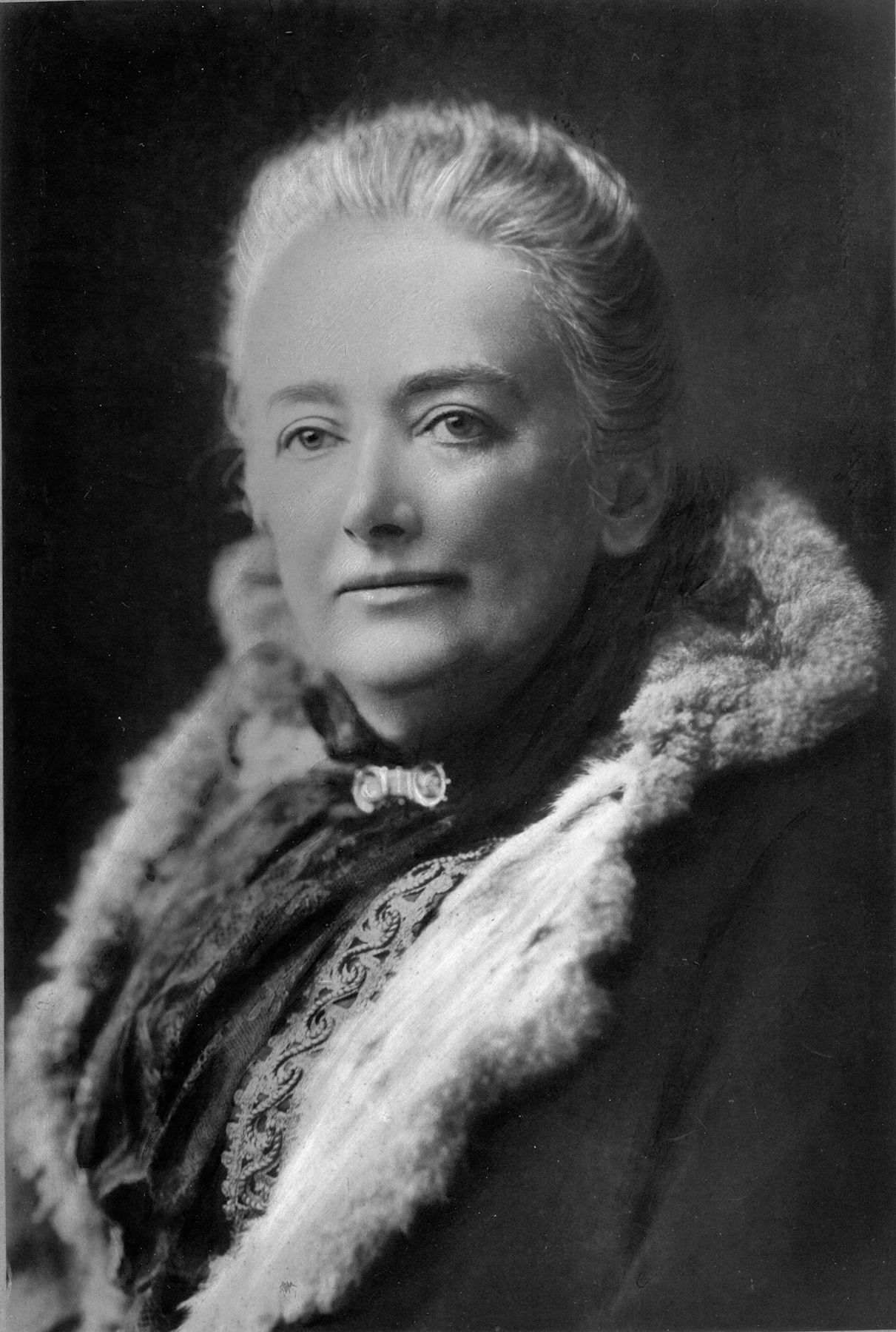
Writer and Egyptologist Amelia Edwards bequeathed her extensive artefact collection to UCL, along with funding for a professorship. This endowment led to the founding of the Petrie Museum, named after the inaugural Edwards Professor, Sir Flinders Petrie.
Housing over 80,000 objects, the Museum holds many ‘firsts’ - from the oldest woven garment, the Tarkhan dress, to the oldest known medical text on women's health, the Kahun Gynaecological Papyrus.
Image credit:
Amelia Edwards, Pharaohs, Fellahs and Explorers, 1891, frontispiece
UCL Library, EGYPTOLOGY A 5 EDW
1893
Formation of first Students’ Union at an English university

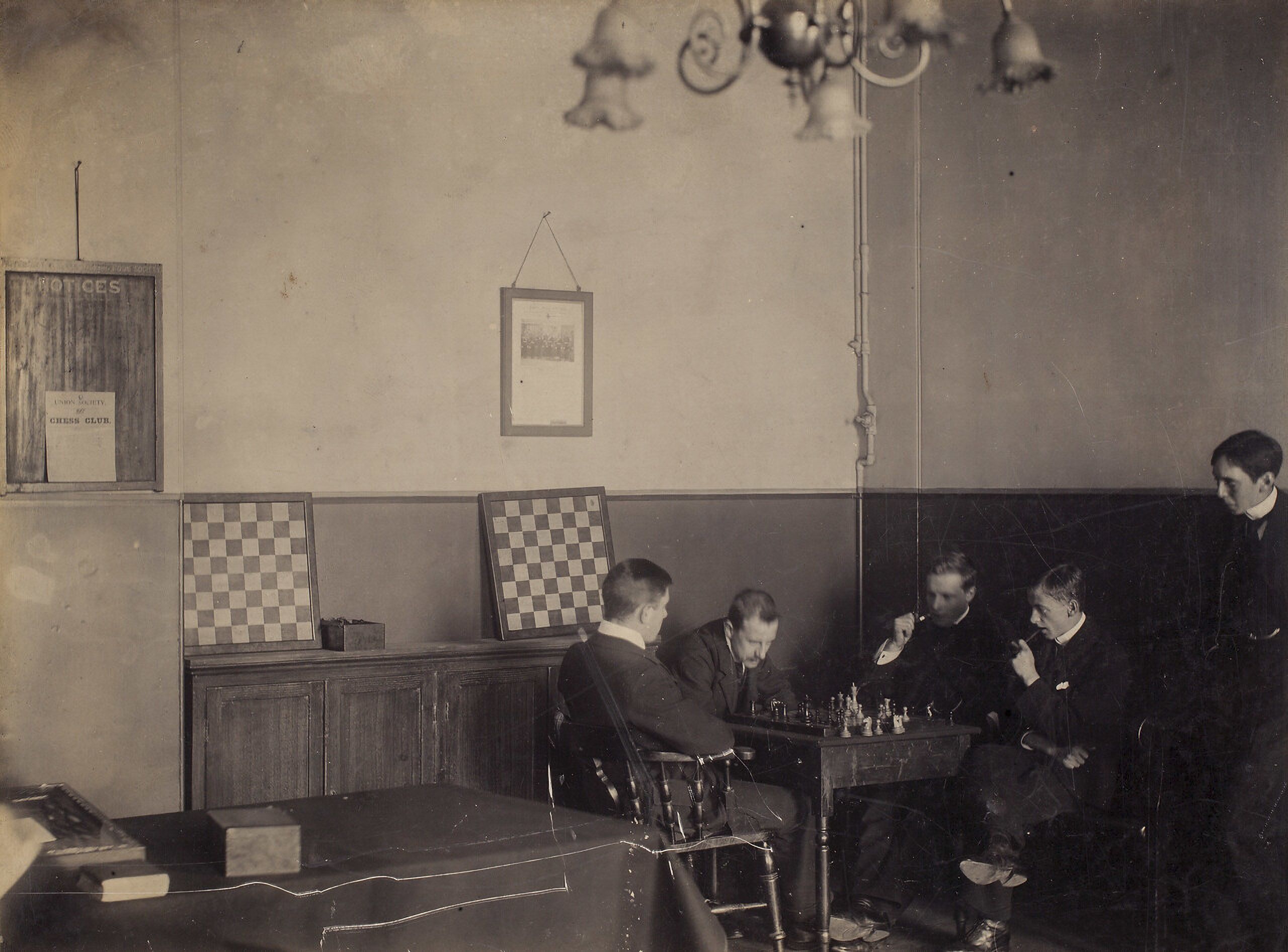
The Men’s Union Society was established for “the promotion of social intercourse and of the means of recreation, physical and mental, of the students of University College, and the financial successes of students’ clubs”. Membership cost one guinea (one pound and one shilling) each year.
As the first officially recognised students’ union in England, the Society provided a space for social, cultural and intellectual engagement, planting the seeds for what would later become Students’ Union UCL.
Image credit:
Men’s Union Society, c. 1900
UCL Special Collections, UCLCA/7
1896
First clinical use of X-ray photographs in Britain

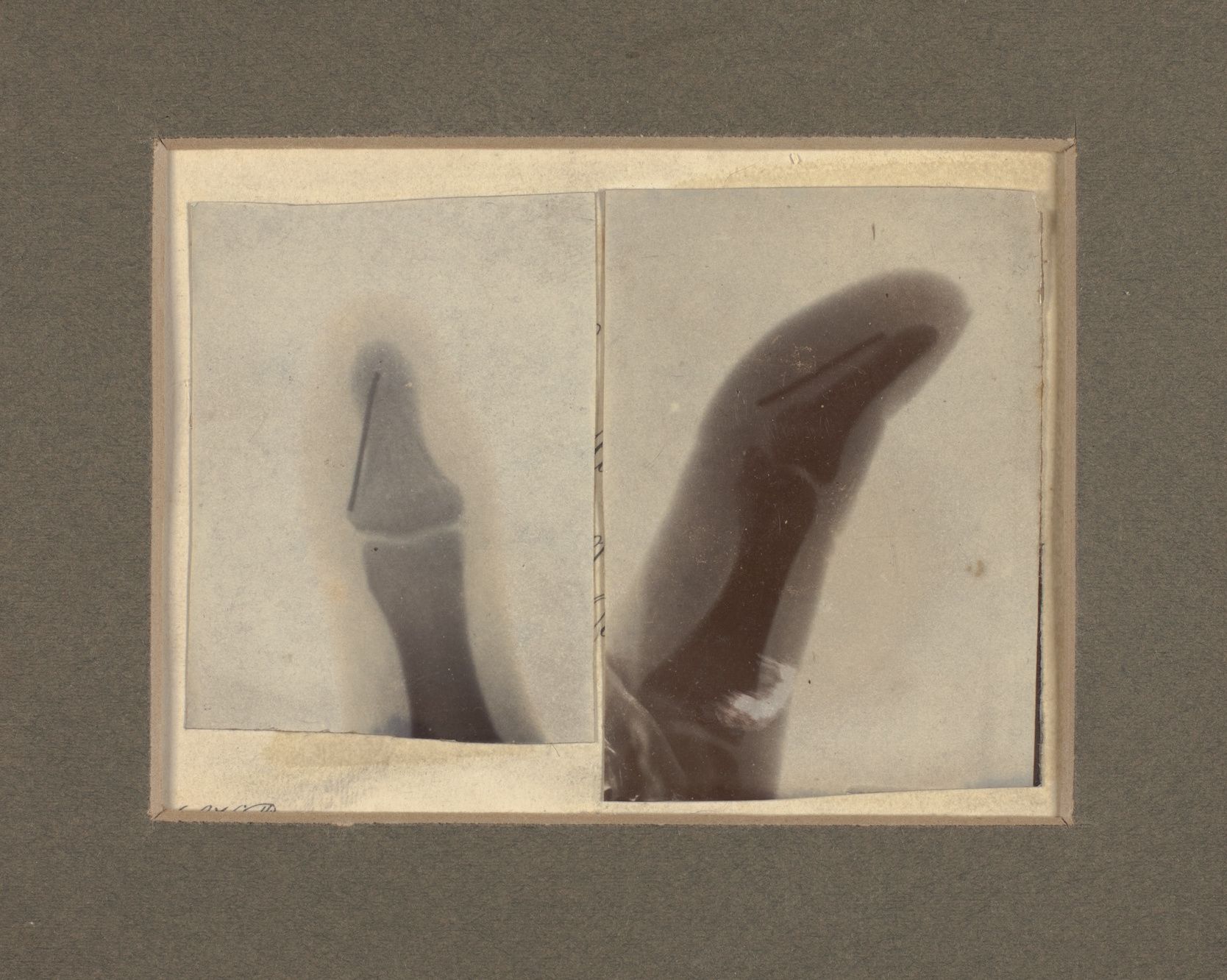
Just months after physicist Wilhelm Röntgen discovered X-rays in 1895, UCL chemist and expert glassblower Norman Collie built his own imaging toolkit.
In February 1896, Collie produced one of Britain’s first medical radiographs to help doctors locate a needle in a patient’s thumb - a significant development in diagnostic medicine.
Image credit:
X-ray of a woman’s thumb with a needle in it, 1896
UCL Science Collections, LDUSC-CHEM-84
1897
Growth of UCL’s art collections
UCL’s art collections have been central to university life since the Flaxman Gallery opened in 1851.
The Slade School began acquiring prize-winning student works from 1897, including many by revolutionary women artists. Today, UCL Art Museum continues this tradition, developing collections from notable 20th-century creatives including Paula Rego, Winifred Knights and Gwen John.
1897
Formation of the Women’s Union Society

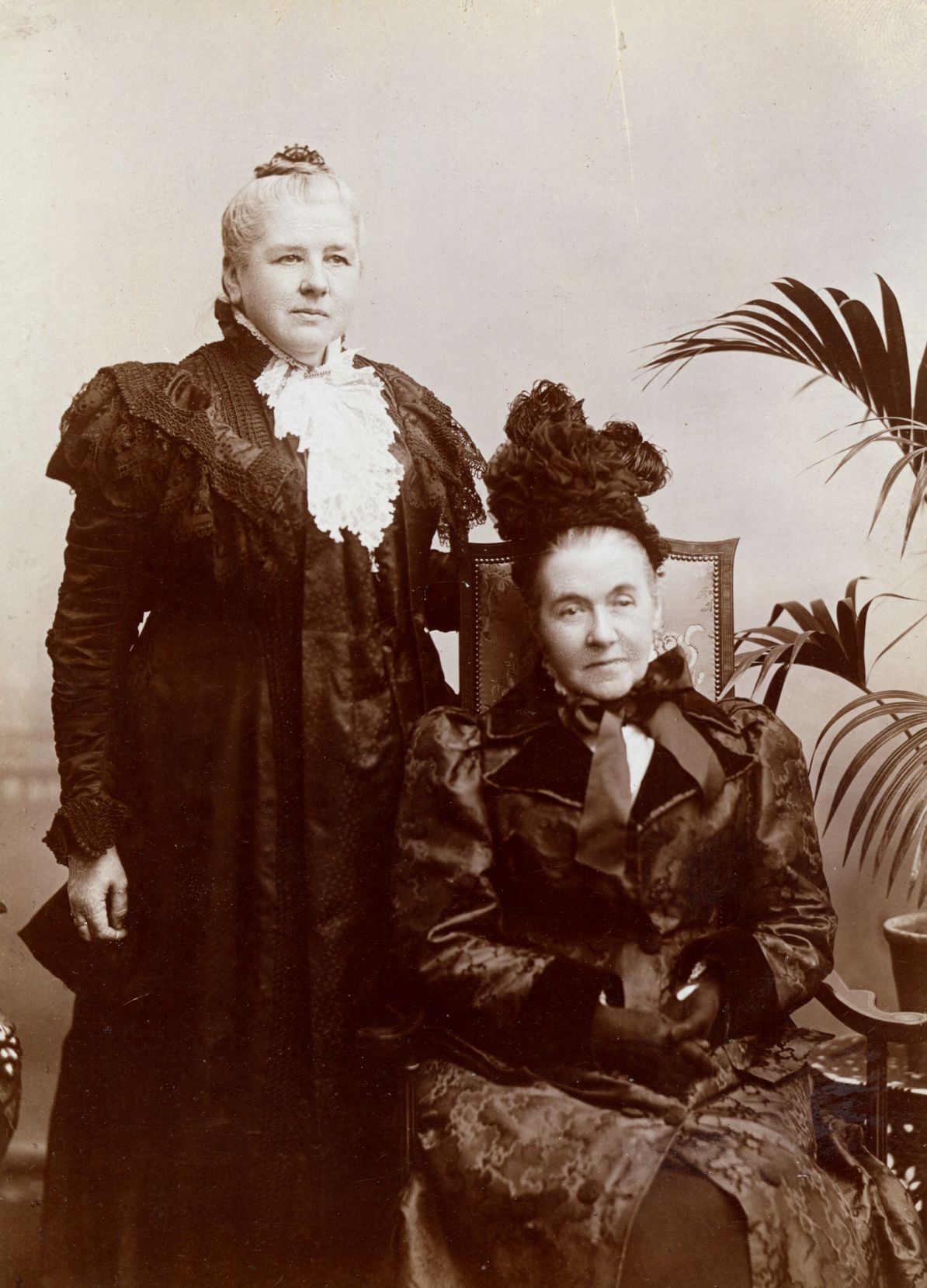
The Women’s Union Society was founded under the leadership of Rosa Morison, Lady Superintendent of Women Students.
A champion of co-education and women’s suffrage, she sought to improve women’s facilities and social opportunities, helping to establish their place at UCL. Morison served as President of the Women’s Union Society until 1908.
Image credit:
Rosa Morison with fellow female educationalist and lifelong partner Eleanor Grove, 1881
Senate House Library, University of London, UoL/CH/10/1/2
1900s
1904
Professor Sir William Ramsay recognised as Britain and UCL’s first Nobel laureate

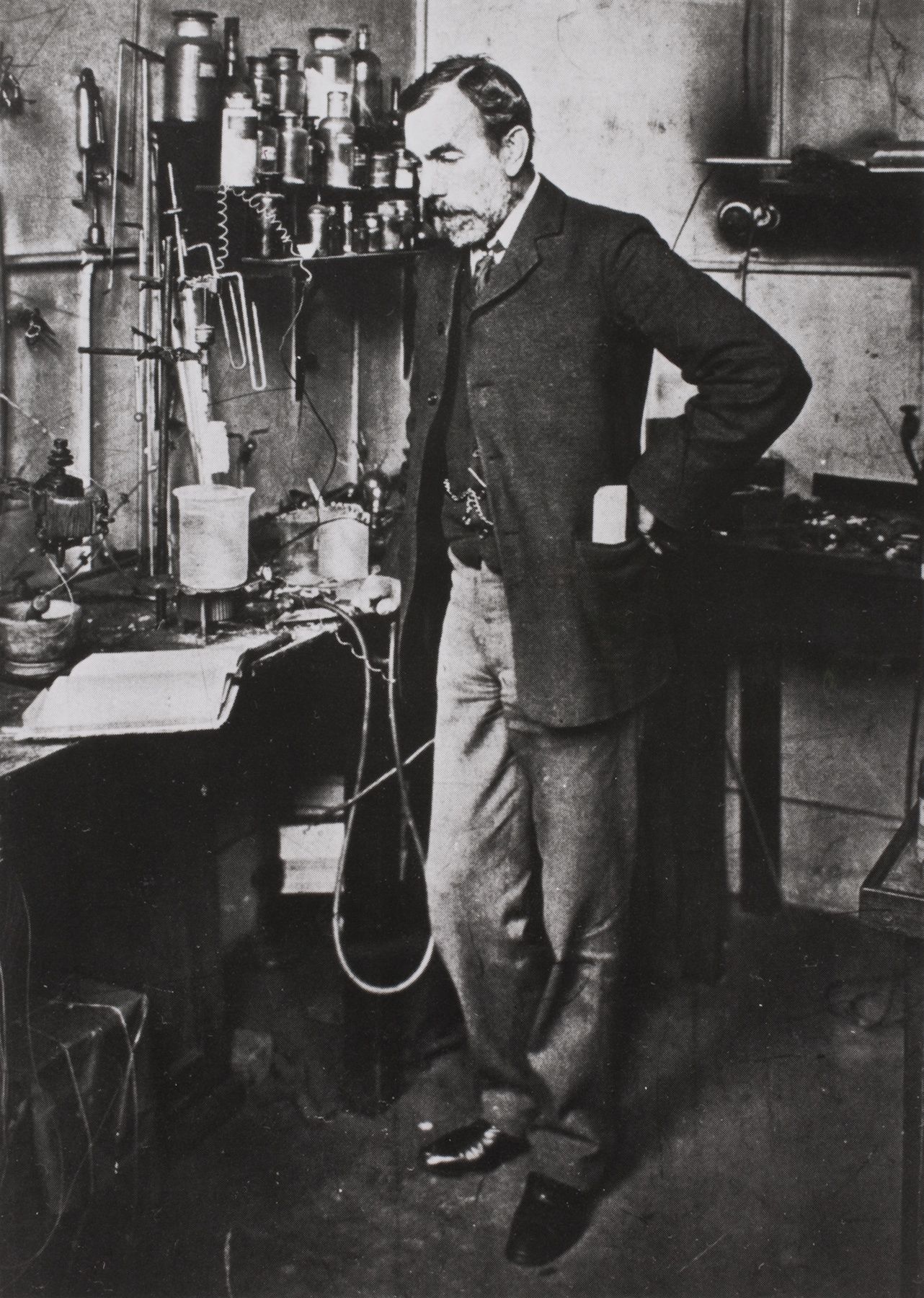
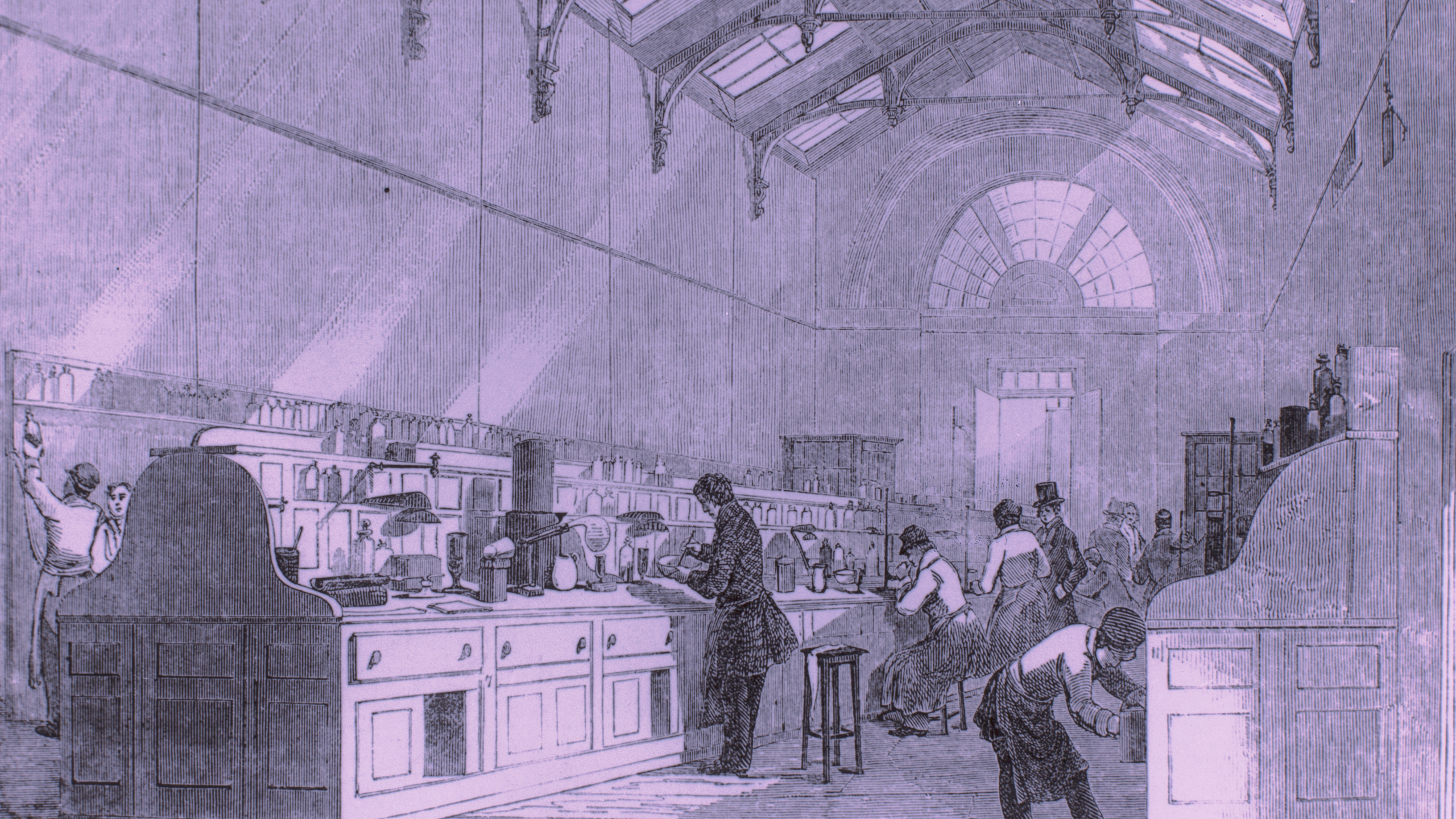
Professor Sir William Ramsay was awarded the 1904 Nobel Prize in Chemistry for his discovery of the noble gases - helium, neon, argon, krypton and xenon – and determining their placement in the periodic table.
Having revolutionised atomic theory, Ramsay’s work also led to the discovery of a sixth noble gas, radon.
A devoted UCL chemist, Ramsay conducted his groundbreaking research in the Labs of the North Wing while also playing an active role in university life. Today, his discoveries continue to underpin modern technologies ranging from neon lighting to medical imaging.
Staff (Department of Chemistry)
Image credit:
William Ramsay, c. 1904
UCL Special Collections, UCLCA/7
1904
Invention of the Fleming Valve

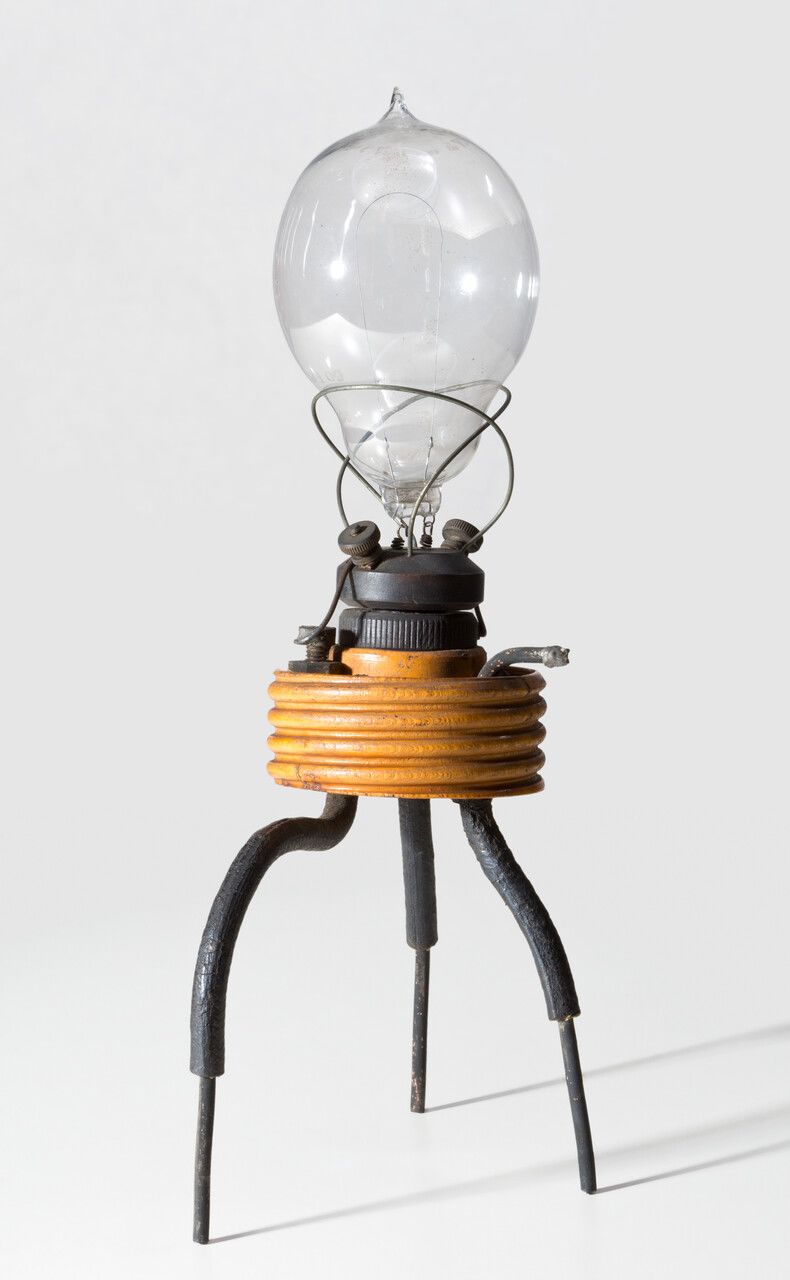
Founder of UCL’s Department of Electrical Engineering, Professor Sir John Ambrose Fleming, revolutionised communication technology by inventing the first electron tube device.
Patented in 1904, this thermionic - or ‘Fleming’ - valve enabled detection of high-frequency radio signals – paving the way for radio, television, telephones and early computers, and making modern communications possible.
Image credit:
Experimental valve, c. 1889
UCL Science Collections, LDUSC-EE-88
1907
UCL incorporated into the federal University of London
By joining the federal structure of the University of London, UCL aligned its governance and academic framework with other member institutions.
This connection strengthened the university’s place within the wider landscape of higher education while preserving its distinctive spirit of independence and innovation.
1907
Founding of the Galton Laboratory for National Eugenics
Eugenics is a now discredited theory which claimed humanity could be ‘improved’ by selective breeding, excluding those deemed genetically ‘inferior’. The term was coined by Sir Francis Galton, who funded UCL’s first Research Fellowship in Eugenics in 1904. Working with biostatistician Karl Pearson, he established the Galton Laboratory for National Eugenics at UCL in 1907, to research eugenics further.
1914
Supporting the nation during wartime

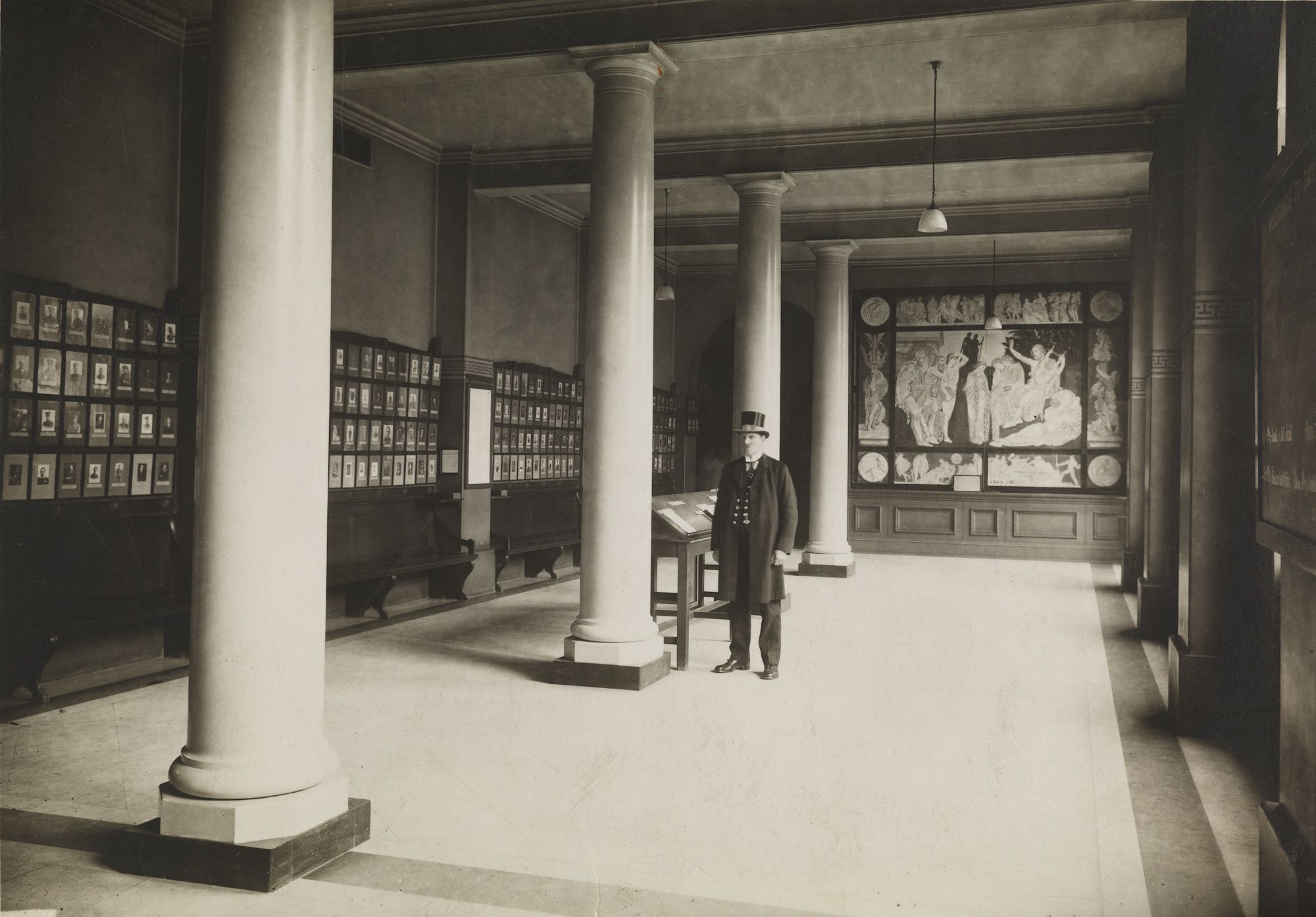
UCL changed dramatically during the First World War.
Student numbers dropped, university spaces were repurposed to support the war effort, and research was redirected to support national need. Many staff and students enlisted, including war artists Professor Henry Tonks and Slade alumna Anna Airy.
In the 1920s, a display in the South Cloister showed the university’s war dead alongside the Roll of Honour. Today, six campus memorials honour UCL’s ‘lost generation’ who made the ultimate sacrifice.
Image credit:
South Cloister, c. 1920s
UCL Special Collections, UCLCA/7
1927
100 years of UCL

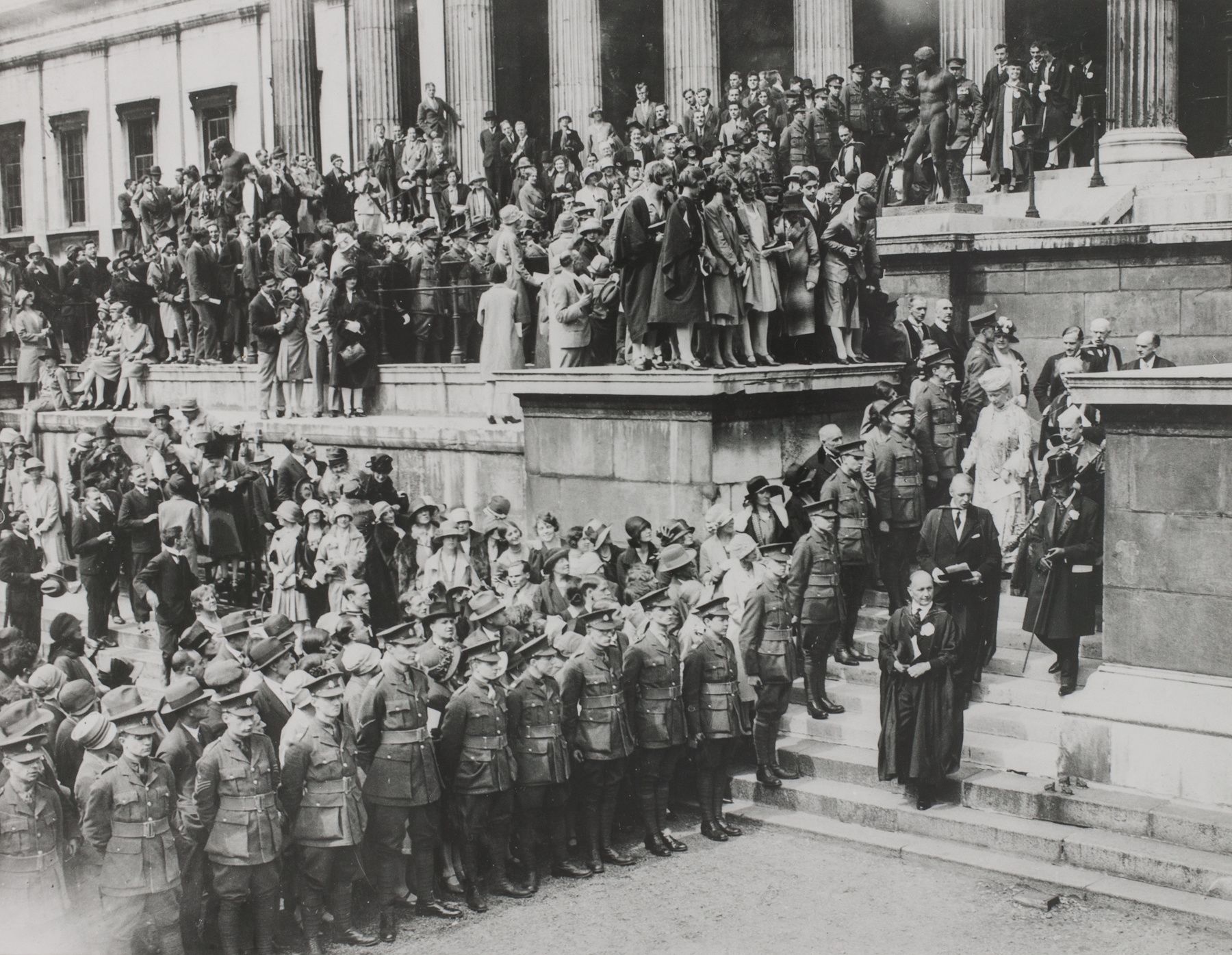
Beginning with a radio broadcast in January 1926, UCL’s centenary culminated in a month of celebration throughout June 1927.
Highlights included a visit from King George V and Queen Mary, the opening of the Great Hall, a Thanksgiving Service at Westminster Abbey, and the welcoming of delegates from universities around the world.
Image credit:
King George V and Queen Mary on their official visit in June 1927 to commemorate the centenary of the College
UCL Special Collections, UCLCA/7
1931
Formulation of the Five Laws of Library Science
Shiyali Ramamrita Ranganathan joined UCL in 1924 to study library science, the only graduate programme of its kind in Britain at that time.
After returning home to India, Ranganathan developed his hugely influential Five Laws of Library Science that continue to shape the field today. Together, the Laws influence digital systems, enhancing information management, and developing more accessible, inclusive services for users across the world.
1939
Outbreak of the Second World War

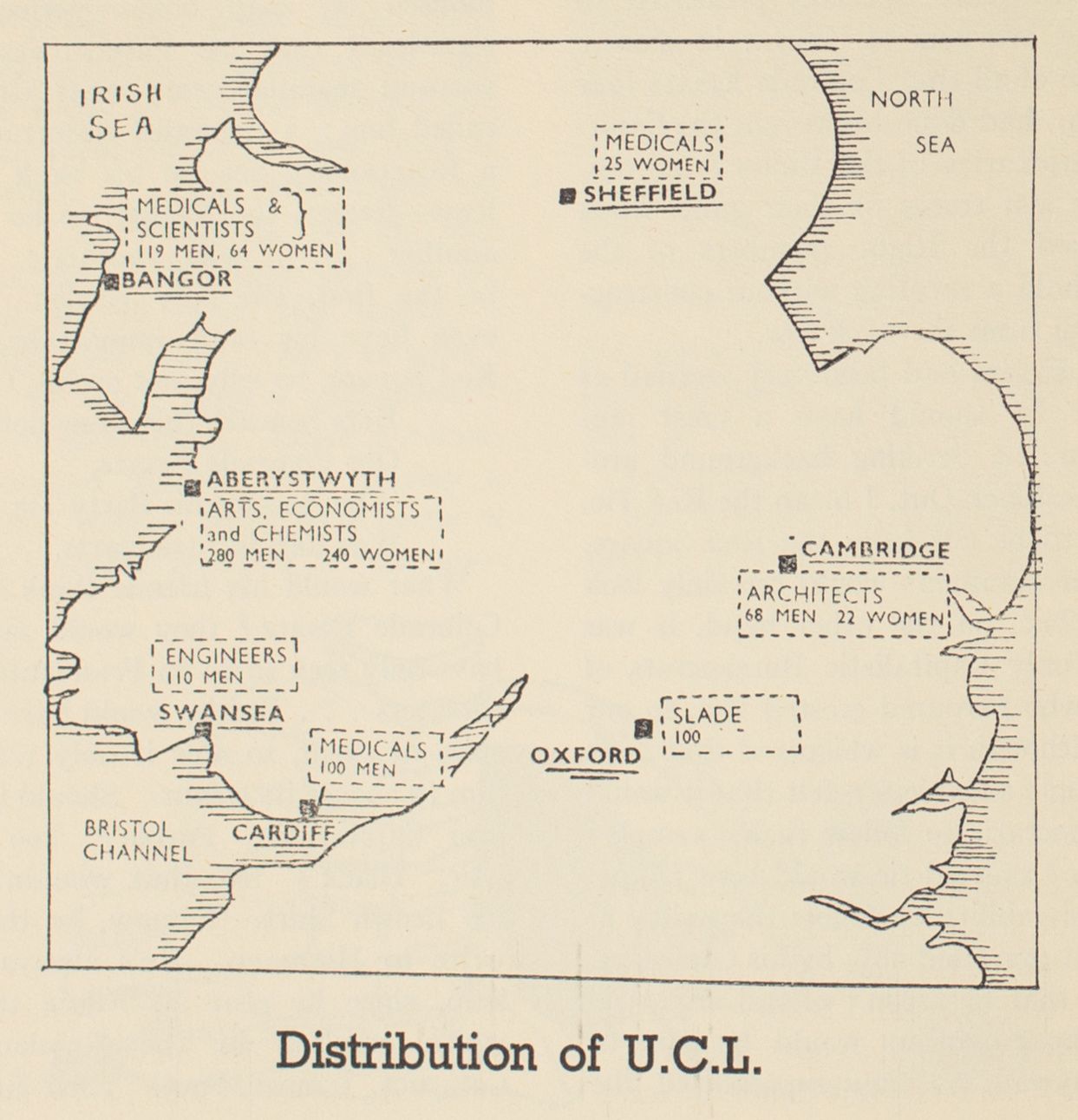
The arrival of war in 1939 saw UCL evacuate its students to universities across the country, including Oxford (Slade), Cambridge (Architecture), Swansea (Engineering), Bangor (Science) and Aberystwyth (Arts, Economics and Chemistry). Medicine was between Cardiff, Bangor and Sheffield.
Living independently amid wartime challenges, students embraced new opportunities with remarkable resilience.
Image credit:
Distribution of U.C.L., New Phineas, Autumn 1939, p. 38
UCL Special Collections, COLLEGE COLLECTION PERIODICALS
1940-41
War damage

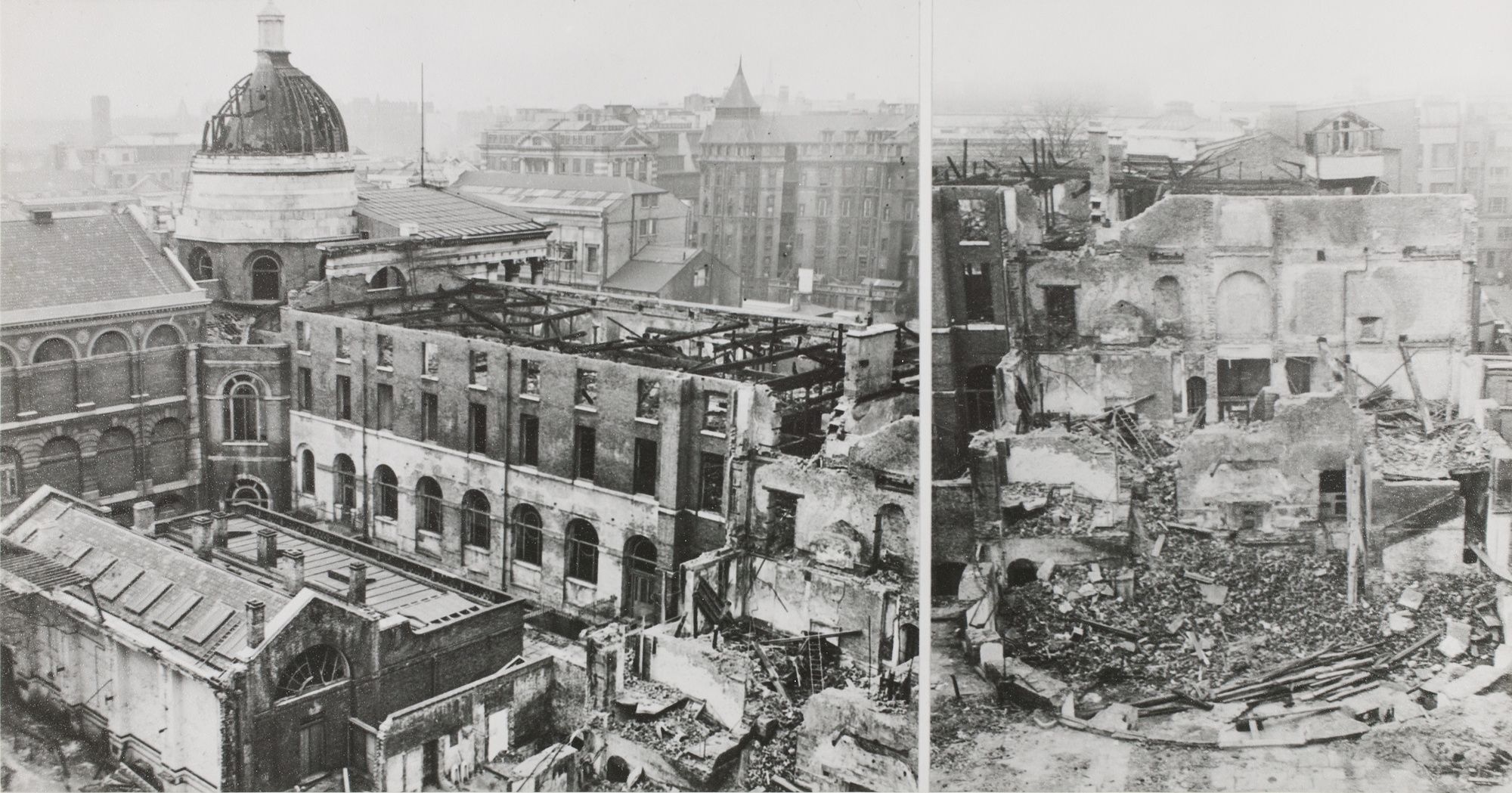
In September 1940, bombing destroyed UCL’s Great Hall and Carey Foster Physics Lab, killing caretaker Robert Clive Collard and his son Robert Arthur Collard. Provost Sir Allen Mawer wrote to reassure students: “We are all in this together”.
Amid loss and destruction, students and staff rallied through defence training and voluntary service, sustaining the UCL spirit through adversity.
Image credit:
UCL bomb damage, 1940-41
UCL Special Collections, UCLCA/7
1942
Launch of Lunch Hour Lectures
Building on UCL’s tradition of open discourse and debate, the Lunch Hour Lectures were designed to make academic research accessible to all.
Today, this free public series continues to explore topics across science, health, arts, society and technology, fostering engagement beyond the university and connecting with global audiences.
1945
Rejection of eugenics
Appointed in 1945, UCL’s final Professor of Eugenics, Lionel Penrose, unequivocally rejected the ideas and work of his predecessors Sir Francis Galton and Karl Pearson, developing more ethical foundations for the study of human genetics.
1946
Launch of the first national birth cohort studies

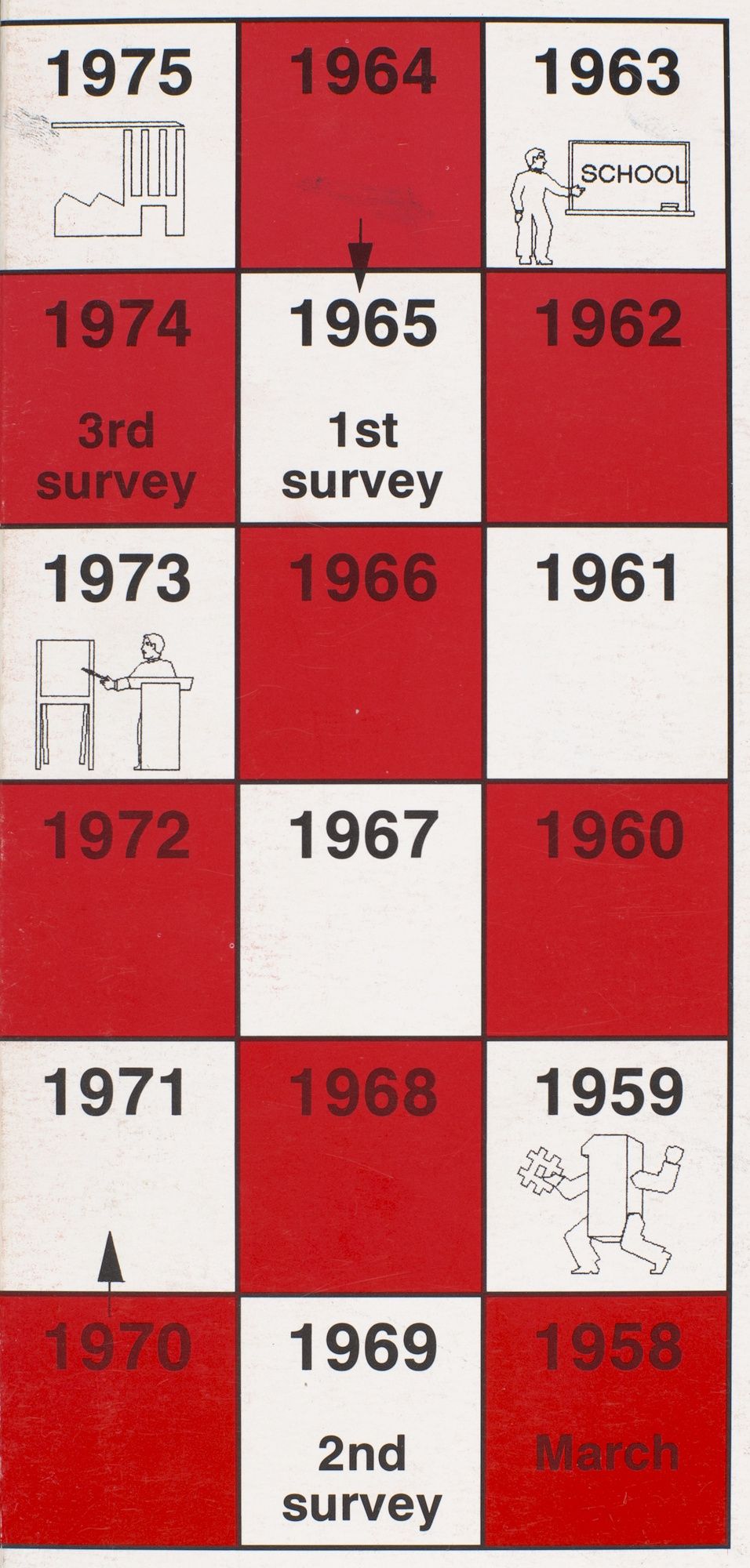
Beginning with the National Survey of Health and Development, UCL is home to the oldest and longest-running series of national birth cohort studies in the world.
These ‘crown jewels of social research’ track individuals across lifetimes, revealing how health, education and social conditions evolve over time.
Alongside studies begun in 1958, 1970, 1989-90 and 2000-02, the upcoming Generation New Era study will follow over 30,000 babies born in 2026.
Image credit:
Birthday card sent to study participants
c. 1988-2005
UCL Special Collections, CLS/5/2/7
1949
Appointment of UCL’s first female professor

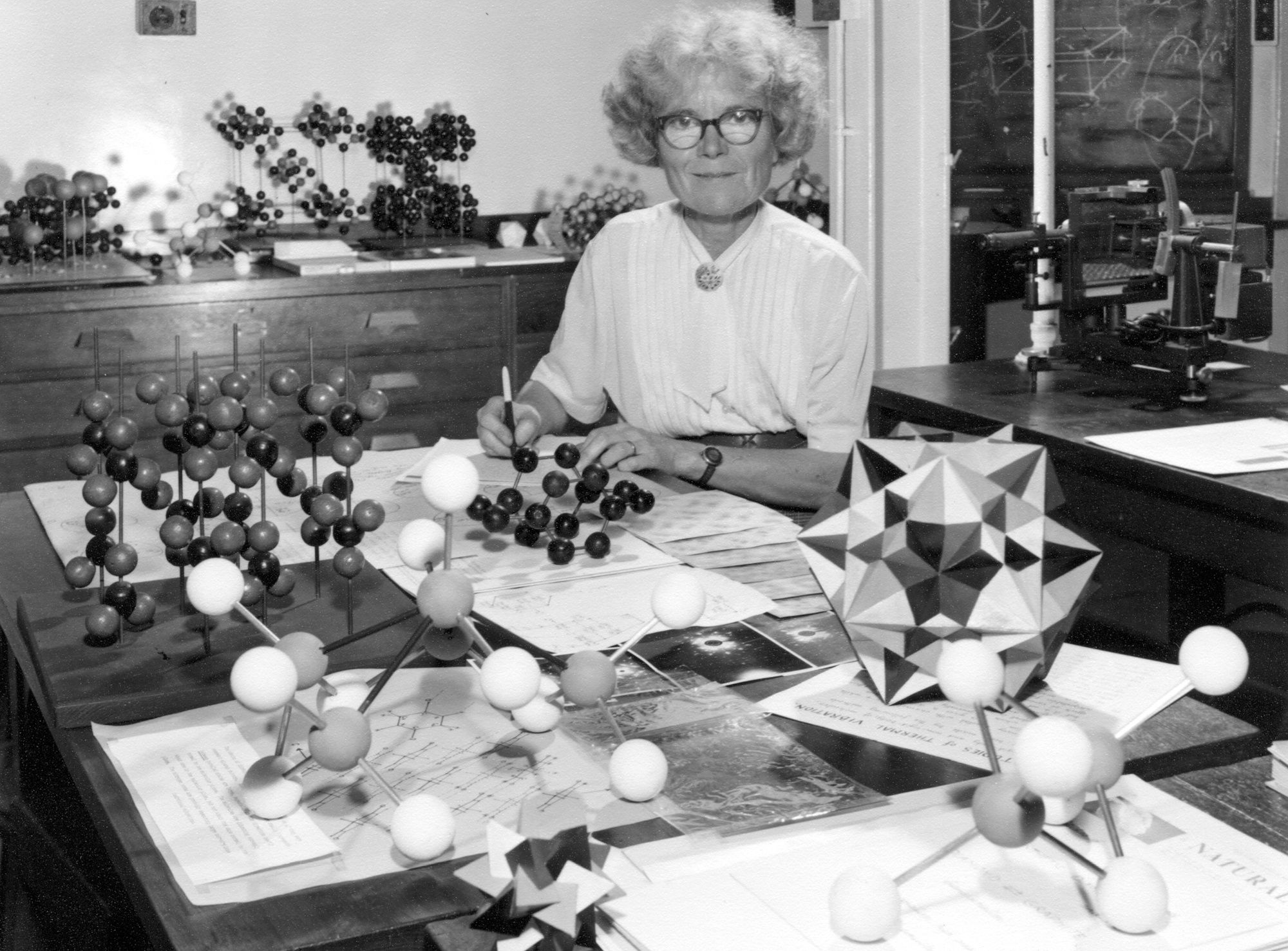
Crystallographer Kathleen Lonsdale became UCL’s first female professor, breaking gender barriers and paving the way for future generations of women scientists.
This followed her 1945 election as one of the first two women to be elected a Fellow of the Royal Society – marking the historic recognition of women’s contributions to scientific research.
Image credit (background):
The Royal Institution
1900s Nobel Prizes
1904
Professor Sir William Ramsay
Awarded the 1904 Nobel Prize in Chemistry for his discovery of the noble gases - helium, neon, argon, krypton and xenon – and determining their placement in the periodic table.
Staff (Department of Chemistry)
1913
Rabindranath Tagore
Awarded the Nobel Prize in Literature for being the voice of India's spiritual heritage.
Student (Faculty of Laws)
1915
Bragg, father and son
Professor William Henry Bragg jointly awarded the Nobel Prize in Physics with his son, William Lawrence Bragg, for the analysis of crystal structure by means of X-ray.
Staff (Quain Professor of Physics)
1921
Professor Frederick Soddy
Awarded the Nobel Prize in Chemistry for his contributions to our knowledge of the chemistry of radioactive substances, and his investigations into the origin and nature of isotopes.
Staff (Department of Chemistry)
1922
Professor Archibald Vivian Hill
Awarded the Nobel Prize in Physiology or Medicine for his discovery relating to the production of heat in the muscle.
Staff (Jodrell Professor of Physiology)
1928
Professor Owen Willans Richardson
Awarded the Nobel Prize in Physics for his work on the thermionic phenomenon and especially for the discovery of the law named after him – Richardson’s Law.
Student (Natural Science)
1929
Sir Frederick Gowland Hopkins
Awarded the Nobel Prize in Physiology or Medicine for his discovery of the growth-stimulating vitamins.
Student (Department of Chemistry)
1936
Sir Henry Hallett Dale
Jointly awarded the Nobel Prize in Physiology or Medicine with Professor Otto Loewi for discoveries relating to chemical transmission of nerve impulses.
Staff (Department of Physiology)
1939
Professor Corneille Jean François Heymans
Awarded the Nobel Prize in Physiology or Medicine for the discovery of the role played by the sinus and aortic mechanisms in the regulation of respiration.
Staff (Department of Physiology)
1944
Professor Otto Hahn
Awarded the Nobel Prize in Chemistry for his discovery of the fission of heavy nuclei.
Staff (Department of Chemistry)
1947
Professor Sir Robert Robinson
Awarded the Nobel Prize in Chemistry for his investigations on plant products of biological importance, especially the alkaloids.
Staff (Department of Chemistry)
1950s
1960
Acquisition of the Orwell Papers

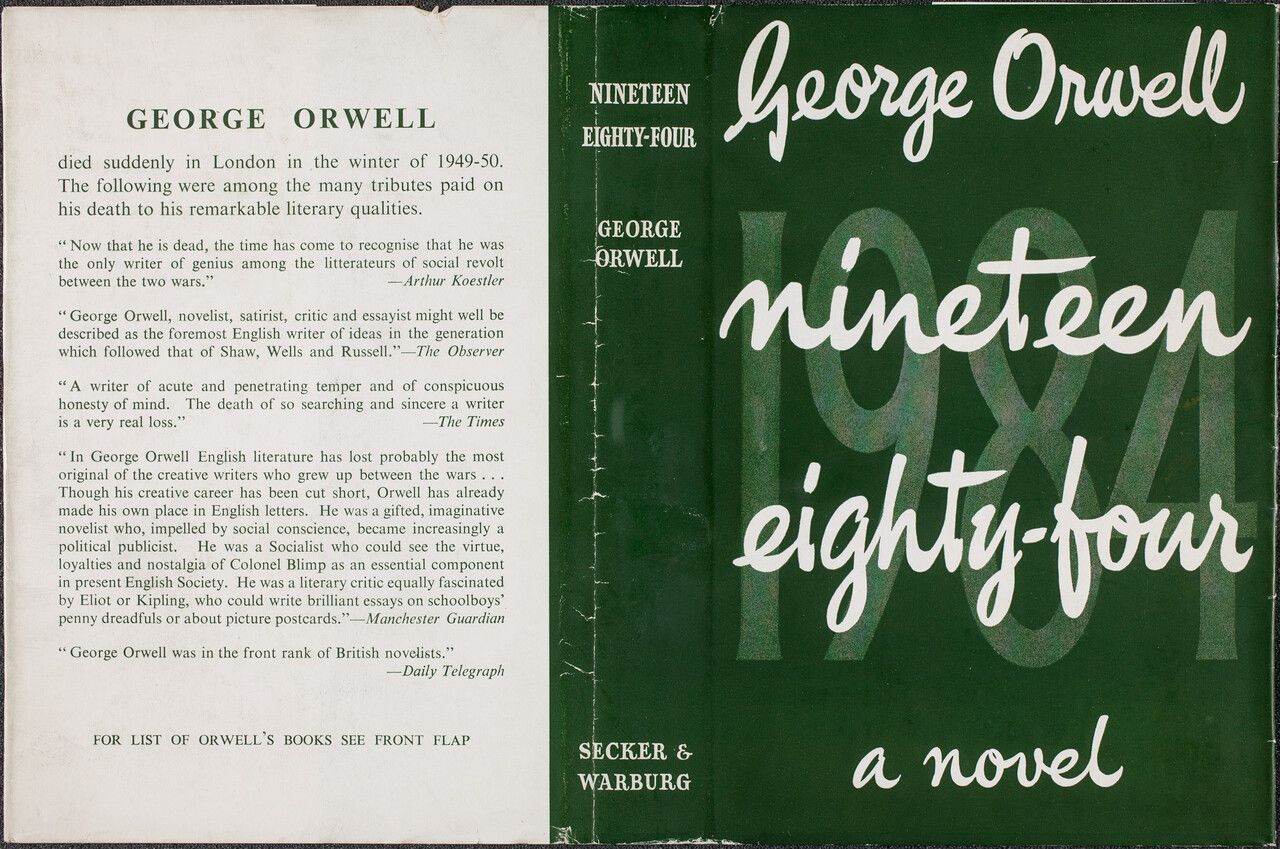
The Orwell Papers form the definitive archive of writer and political thinker George Orwell, preserving many of the notebooks, letters and drafts that shaped his influential works.
Acquired by UCL Special Collections in 1960, the Papers were inscribed to UNESCO’s Memory of the World International Register in 2018, recognising their enduring impact on global culture.
Image credit:
Nineteen Eighty-Four, dust jacket of the 1st edition, 2nd imprint
George Orwell, 1949
UCL Special Collections, Orwell Collections
1968
Opening of the Bloomsbury Theatre

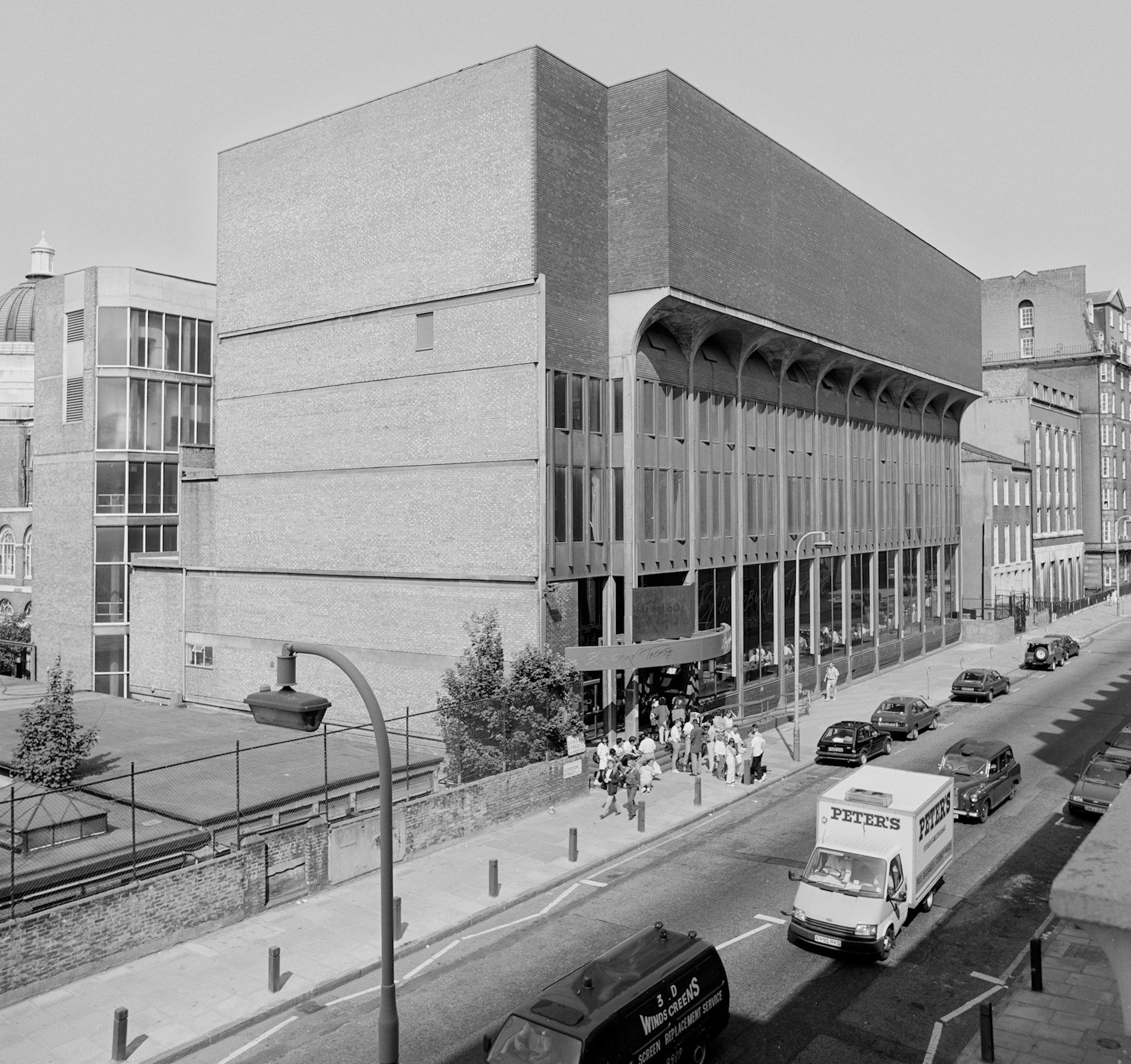
First opened as the Central Collegiate Building Auditorium, the Bloomsbury Theatre showcases the best of theatre, music, dance and comedy.
Now London’s only student-led theatre, it offers opportunities to gain experience in programming, lighting and sound, and has proven formative for alumni including Nica Burns (LLB Law, 1976), Ricky Gervais (BA Philosophy, 1983) and Joseph Coelho (BA Archaeology, 2002).
Image credit:
UCL Special Collections, UCLCA/7
1972
Formation of one of the first 'GaySocs' in the UK

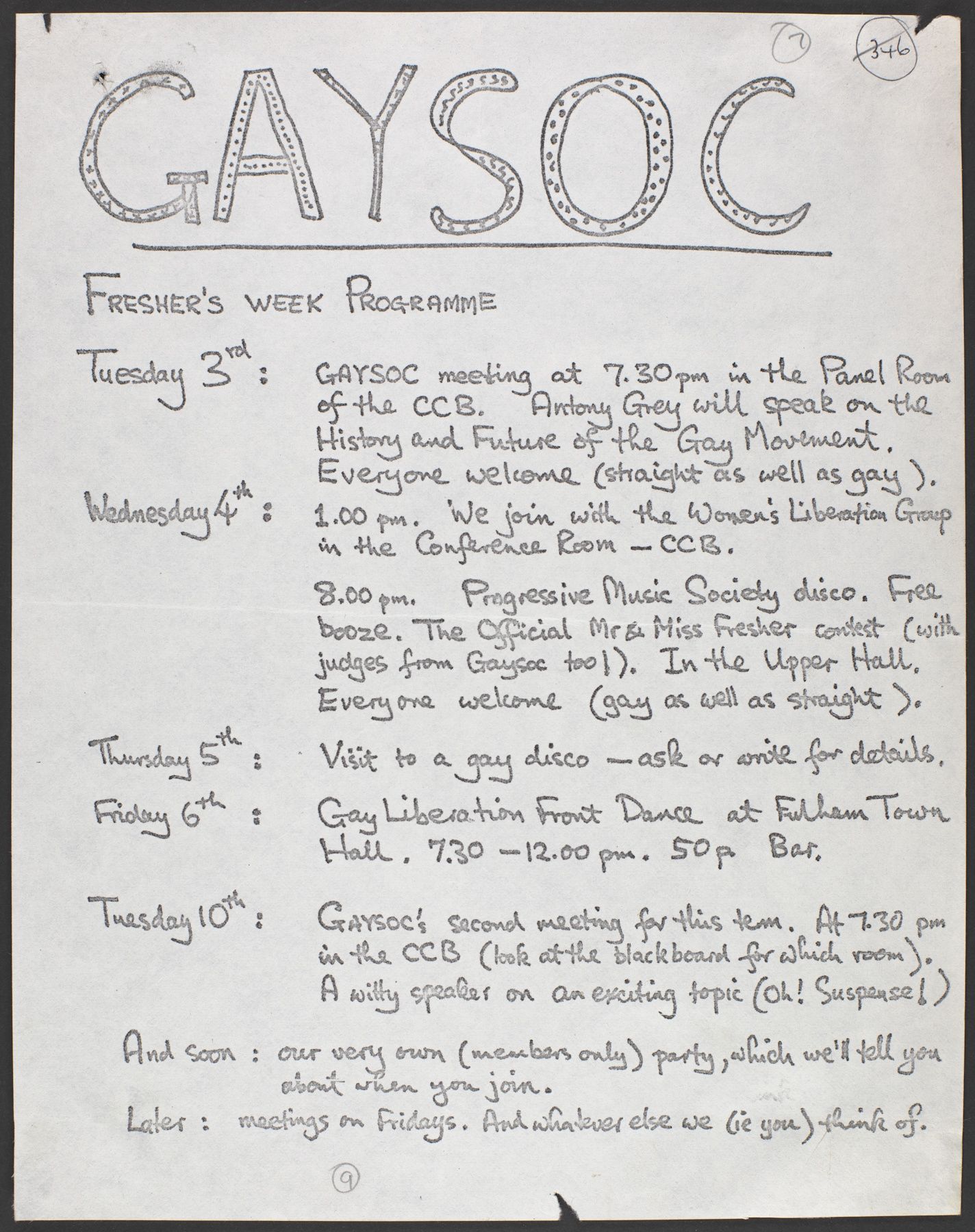
UCL’s GaySoc was one of the UK’s first societies of its kind, reflecting students’ commitment to inclusion and equality.
Alongside the UCL Students’ Union, GaySoc members were instrumental in encouraging the National Union of Students to adopt a motion in support of ‘gay rights’ in 1973.
Image credit:
GaySoc Freshers’ Week programme, 1972
UCL Special Collections, UCLCA/9/3
1973
UK’s first connection to the ARPANET

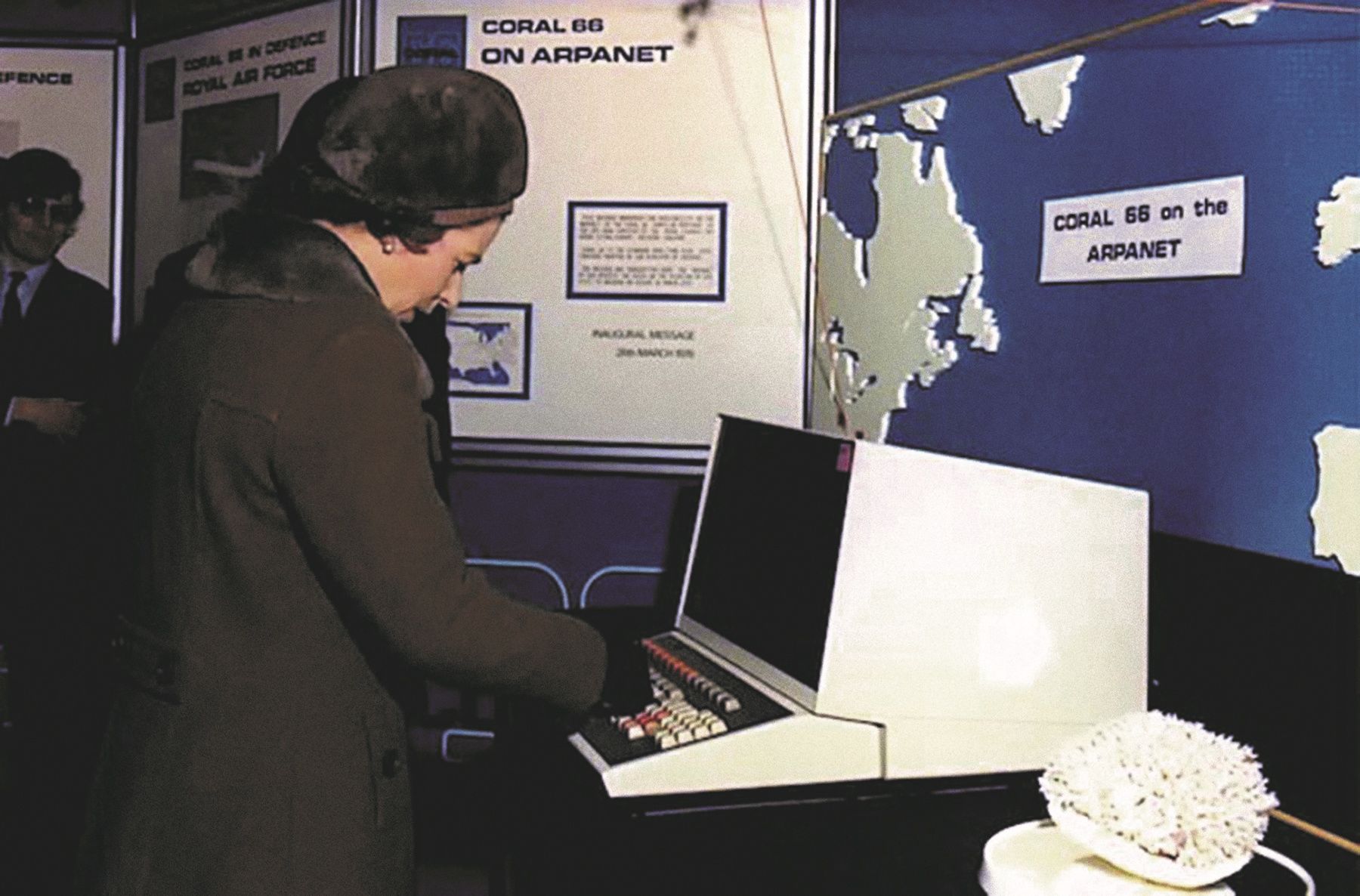
On 25 July 1973, UCL Professor Peter Kirstein led the UK’s first connection to the ARPANET, transmitting packets of data to the University of Southern California.
Kirstein played a significant role in establishing the early internet, helping to expand the technology across Europe and establishing Queen Elizabeth II’s first email account in 1976.
Image credit:
Peter Kirstein
1977
Granting of a new Royal Charter

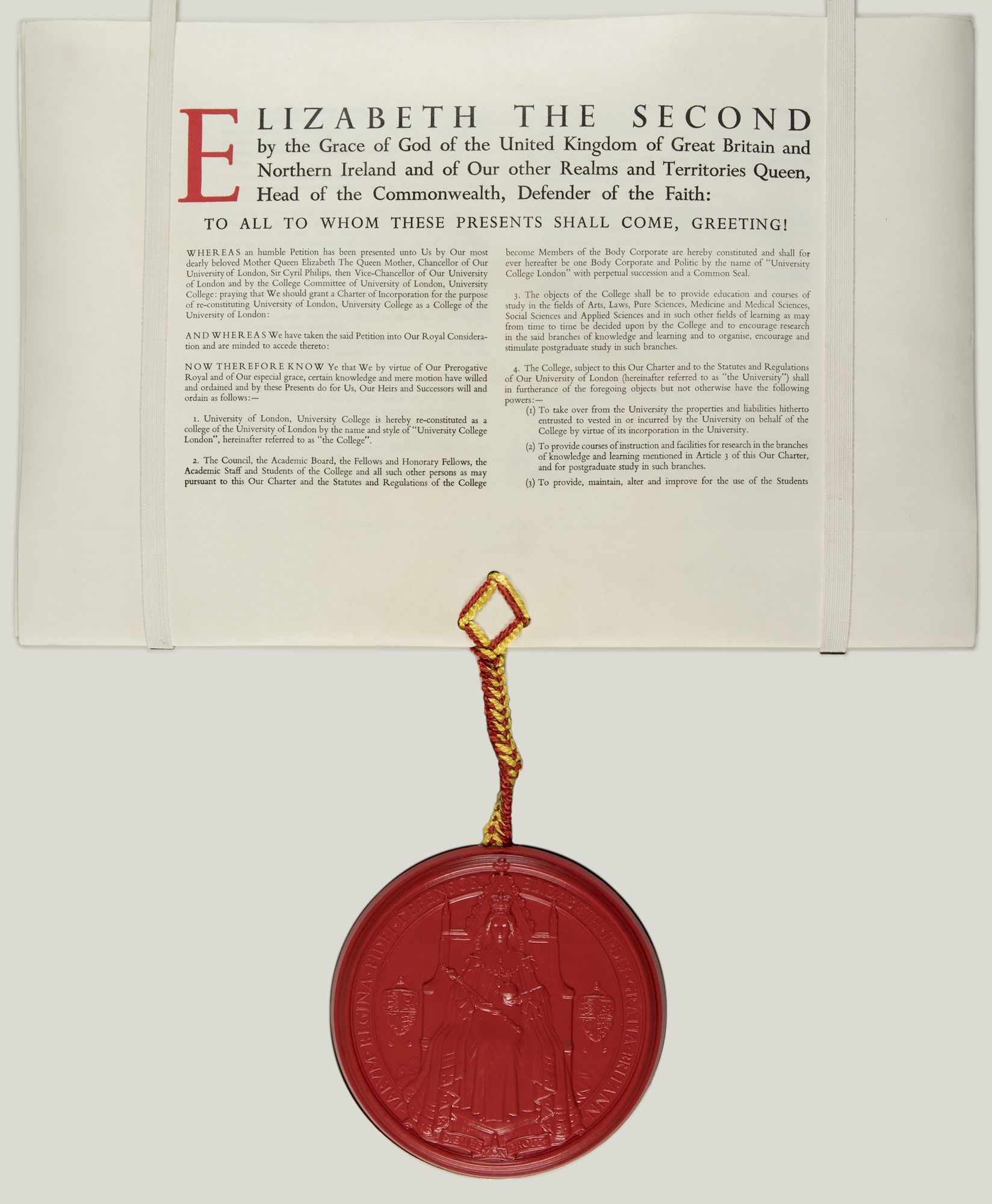
UCL was re-established as a legally independent institution in 1977, formalising its identity as University College London.
This strengthened the university’s ability to govern its own affairs – a journey that culminated in 2005 with the power to award its own degrees, giving students a direct connection to UCL’s academic authority.
Image credit:
UCL Charter, 1977
UCL Special Collections, UCLCA/1/2/2
1985
Completion of the Quad

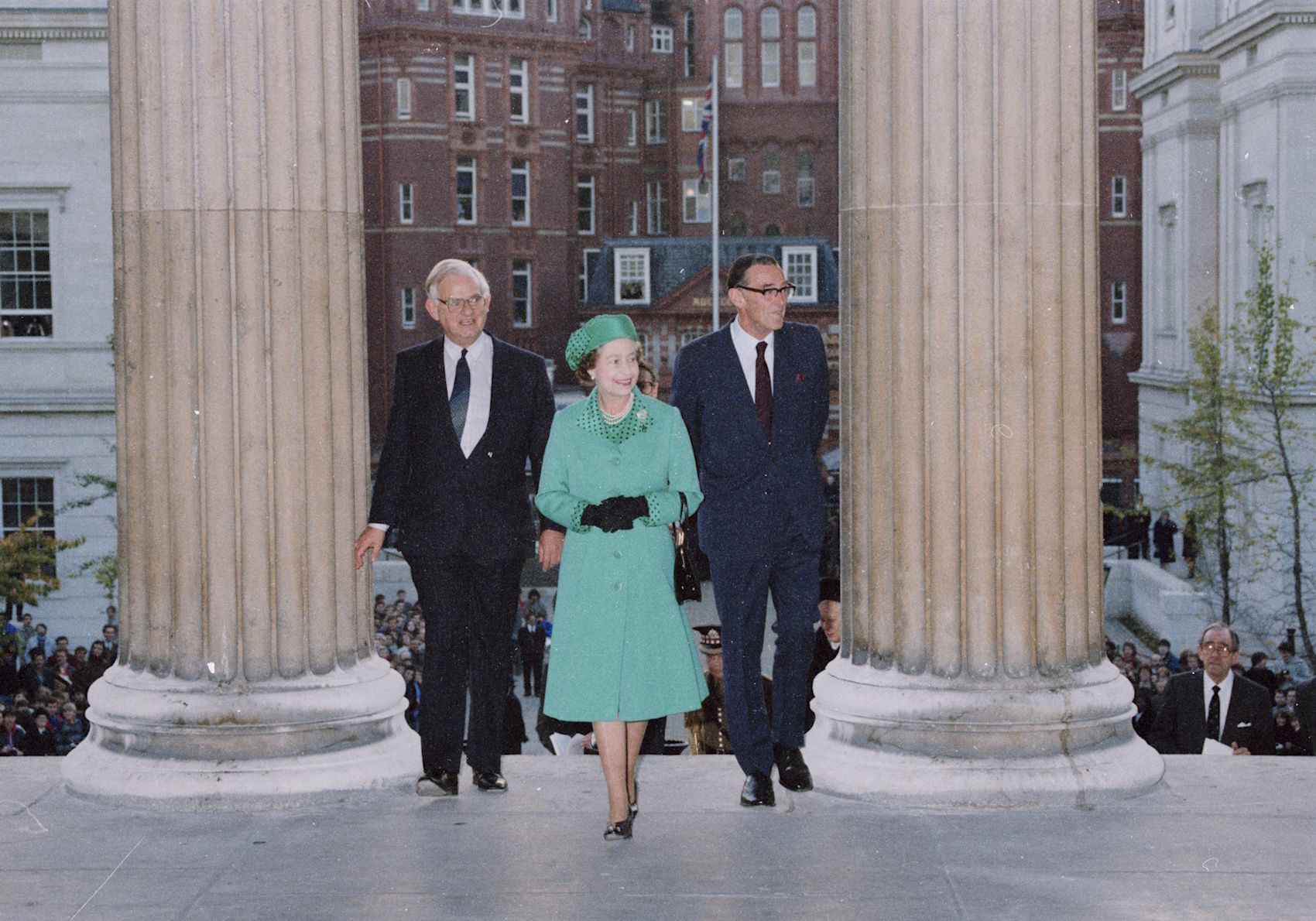
Construction of the Main Quadrangle began in 1827, and was finally completed with the addition of pavilions to the North-West and South-West Wings in 1985 – a milestone marked by an official visit by Queen Elizabeth II.
Ahead of UCL’s 2026 bicentenary, the Quad has been refurbished and the Wilkins Building remodelled, creating new spaces for staff and students.
Image credit:
UCL Educational Media
1985
Strengthening UCL through expanded mergers
Throughout its history, UCL has expanded through mergers with other excellent institutions, building world-leading centres in health, education and the humanities.
This growth has strengthened the university’s interdisciplinary research – inspiring staff, students and partners to advance knowledge, tackle local and global challenges and drive social impact.
- 1986 Institute of Archaeology
- 1987 Middlesex Hospital Medical School
- 1987 Institute of Urology
- 1987 Institute of Orthopaedics
- 1987 Institute of Laryngology and Otology
- 1995 Institute of Ophthalmology
- 1995 National Hospital College of Speech Science
- 1996 Institute for Child Health
- 1997 Institute of Neurology
- 1998 Royal Free Hospital School of Medicine
- 1999 School of Slavonic and East European Studies
- 1999 Eastman Dental Institute
- 2012 School of Pharmacy
- 2013 Survey of London
- 2013 Translation Studies Unit
- 2013 MRC Laboratory for Molecular Cell Biology
- 2014 Institute of Education
- 2017 MRC Prion Unit
1988
50,000 alumni worldwide
1993
Launch of UCL Business

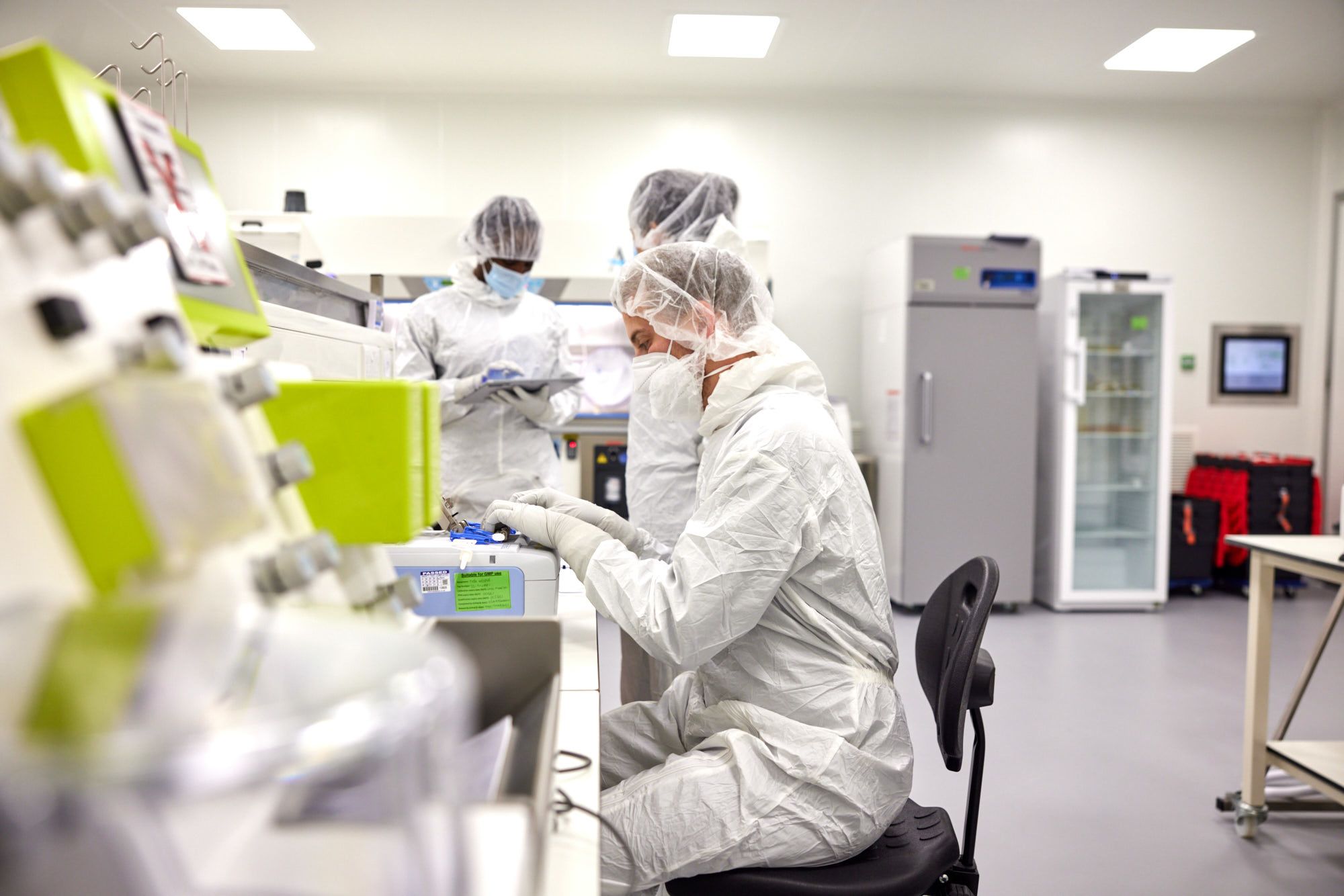
UCL’s first commercialisation company, Freemedic, was established to help academics translate research into real-world impact.
Later evolving into UCL Business (UCLB), it has since become a model for university innovation, supporting pioneering spinouts in healthcare, artificial intelligence, engineering and the arts that have attracted over £3 billion in investment and delivered life-changing inventions worldwide.
Scientists at Autolus Therapeutics, supported by UCLB, have designed therapies to combat cancer and autoimmune diseases.
Image credit (background):
Autolus Therapeutics
1998
100,000 alumni worldwide
1950s Nobel Prizes
1955
Vincent du Vigneaud
Awarded the Nobel Prize in Chemistry for his work on biochemically important sulphur compounds, especially for the first synthesis of a polypeptide hormone.
Staff (University College Hospital)
1959
Professor Jaroslav Heyrovský
Awarded the Nobel Prize in Chemistry for his discovery and development of the polarographic methods of analysis.
Student (Department of Chemistry)
1960
Professor Sir Peter Brian Medawar
Awarded the Nobel Prize in Physiology or Medicine for the discovery of acquired immunological tolerance.
Staff (Jodrell Professor of Zoology and Comparative Anatomy)
1962
Professor Francis Harry Compton Crick
Awarded the Nobel Prize in Physiology or Medicine for discoveries concerning the molecular structure of nucleic acids and its significance for information transfer in living material.
Student (Department of Physics) and Honorary Fellow
1963
Professor Andrew Fielding Huxley
Awarded the Nobel Prize in Physiology or Medicine for ionic mechanisms and the nerve cell membrane.
Staff (Jodrell Professor of Physiology)
1967
George Porter
Awarded the Nobel Prize in Chemistry for the study of extremely fast chemical reactions, effected by disturbing the equilibrium by means of very short pulses of energy.
Staff (Visiting Professor, Department of Chemistry)
1970
Professor Sir Bernard Katz
Awarded the Nobel Prize in Physiology or Medicine for discoveries concerning the humoral transmitters in the nerve terminals and the mechanism for their storage, release and inactivation.
Staff (Department of Biophysics)
1988
Professor Sir James W. Black
Awarded the Nobel Prize in Physiology or Medicine for the discovery of important principles for drug treatment.
Staff (Department of Pharmacology)
1991
Professor Bert Sakmann
Awarded the Nobel Prize in Physiology or Medicine for discoveries concerning the function of single ion channels in cells.
Staff (Department of Biophysics)
2000s
2001
Publication of UCL’s first Widening Participation strategy

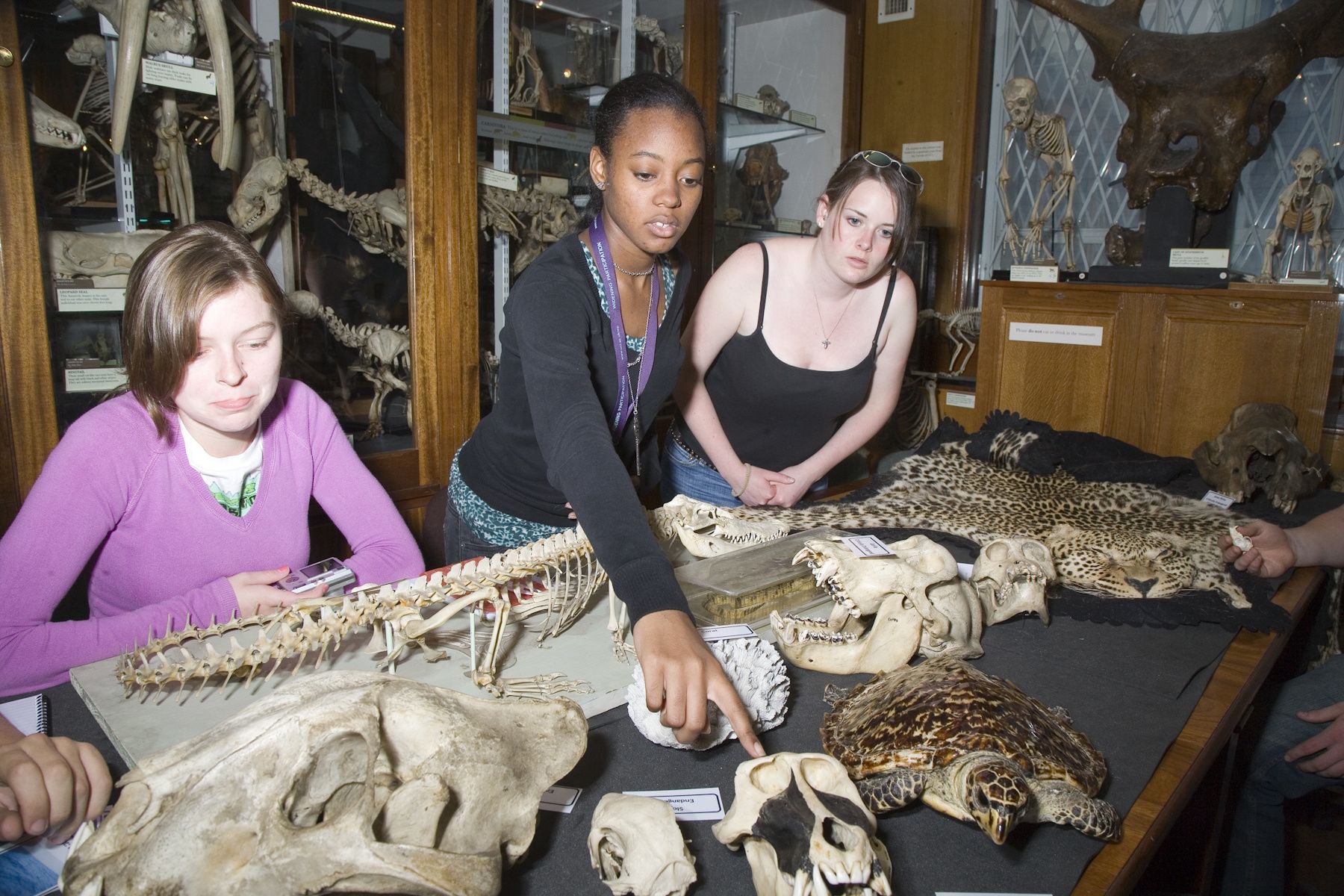
UCL’s first widening participation strategy aimed to increase the number of students from backgrounds under-represented in higher education and ensure they had an equal chance of succeeding.
Working closely with schools and parents, the strategy focused on widening access for students from lower socioeconomic backgrounds, students with disabilities and those from ethnic minority groups. Since then, more than 250,000 young people have taken part in UCL outreach projects.
Image credit:
The Natural History Museum, UCL, and The Sutton Trust Residential Summer School, organised by UCL Widening Participation, 2006
UCL Educational Media
2003
Launch of UCL Consultants
UCL Consultants (UCLC) was established to connect organisations with academic expertise, supporting the development of consultancy projects, bespoke training and executive education.
From developing evidence-based training programmes to inspiring innovation through applied research, the initiative translates knowledge into real-world impact.
UCLC has significantly expanded since its launch, with more than 3,000 academics registered as consultants and an annual turnover exceeding £50 million.
2005
UCL in the wake of 7/7

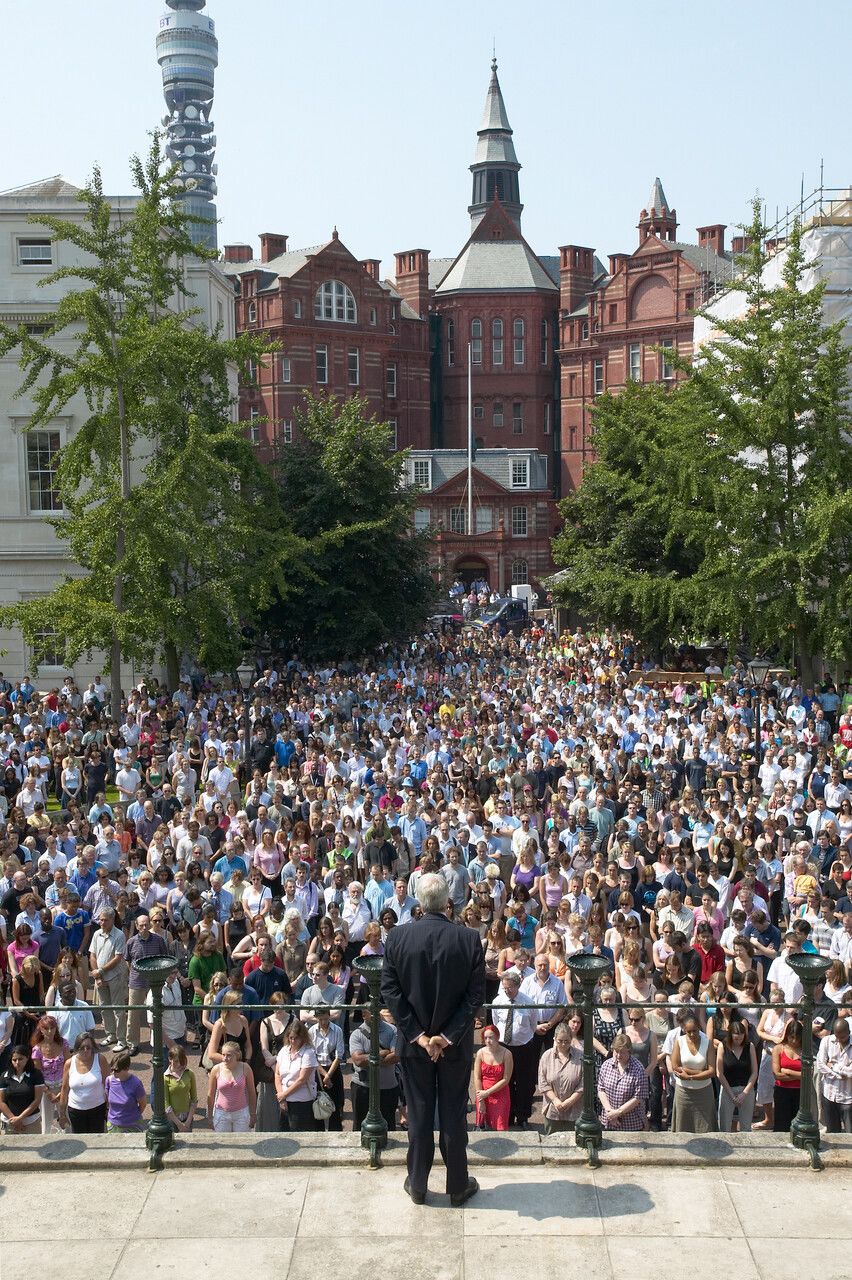
The UCL community united to mourn 52 people killed in terrorist attacks across London's public transport network.
Among the victims was long-serving UCL staff member Gladys Wundowa and three alumni: Lee Harris (Architecture, 1999), Miriam Hyman (French, 1995) and Neetu Jain (Computer Science, 1990).
UCL observed a two-minute silence on 14 July.
Image credit:
UCL Educational Media
2005
UCL degrees

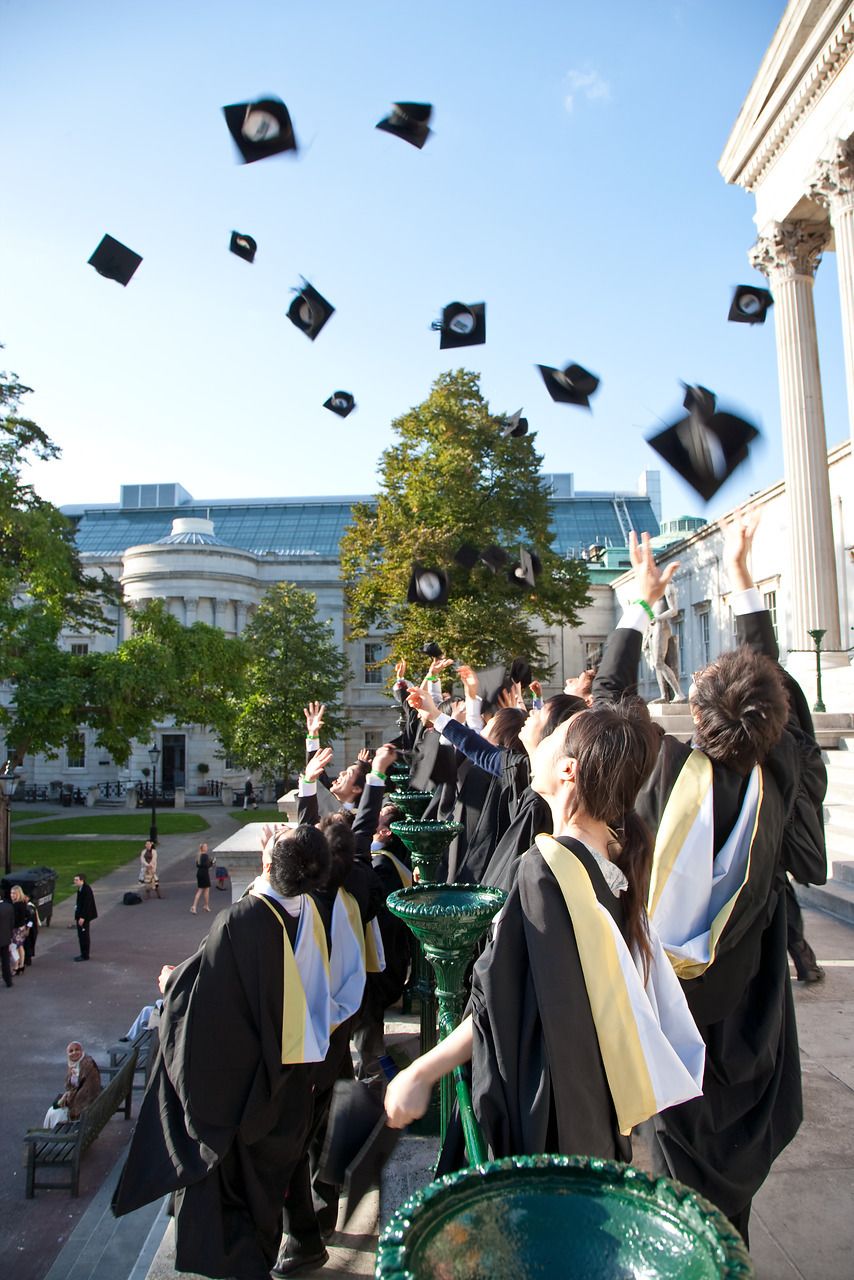
In the final stage of becoming independent of the University of London, UCL was granted the power to award degrees in the name of University College London rather than University of London, as had been the case since UCL’s foundation.
Image credit:
UCL Educational Media
2010
Bloomsbury on screen

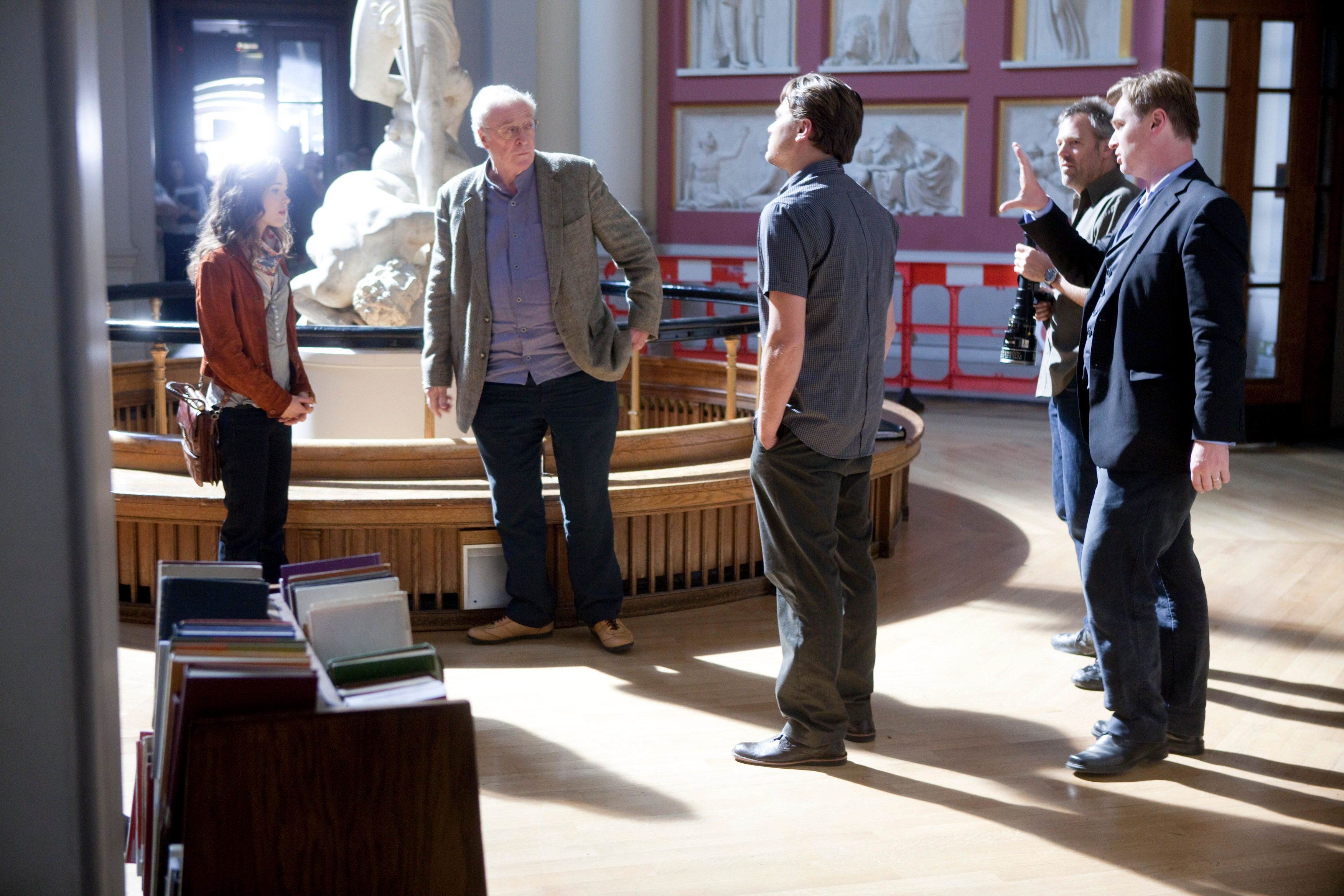
UCL’s Bloomsbury campus has long attracted film crews thanks to its rich history, architectural diversity, and central London location.
Throughout its history, the university has appeared in notable films such as the 2010 blockbuster, Inception, directed by alumnus Sir Christopher Nolan (English Literature BA, 1993) and produced by alumna Dame Emma Thomas (Ancient History BA, 1993).
Image credit:
Elliot Page, Michael Caine, Leonardo DiCaprio, director of photography Wally Pfister, and director Christopher Nolan on the set of Inception at UCL, 2009
PictureLux / The Hollywood Archive
2012
250,000 alumni worldwide
2012
Merger with the School of Pharmacy
The merger between the School of Pharmacy and UCL brought together nearly 170 years of world-class expertise in drug research and education.
Founded in 1842 by the Pharmaceutical Society of Great Britain, the School’s integration into UCL’s Faculty of Life Sciences strengthened the university’s capacity to train pharmacists and advance solutions to medical challenges.
2012
Opening of the UCL Academy

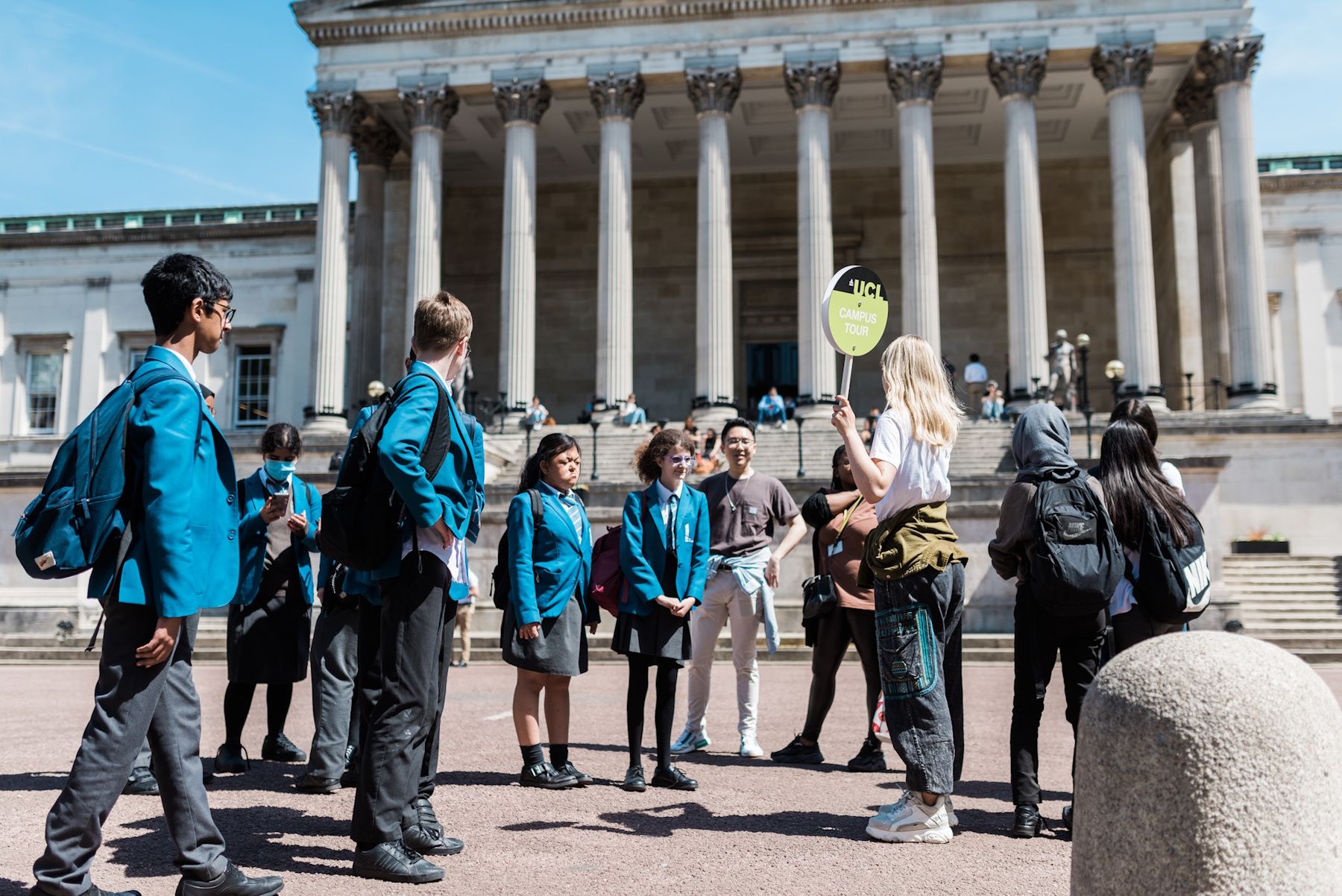
UCL was the first British university to become sole sponsor of an academy school. Founded on the university’s core values, UCL Academy empowers young people to achieve high levels of attainment and spark enthusiasm for further study.
Pupils at this mixed state school are encouraged to benefit from the close partnership with UCL through mentoring campus visits and guest lectures. Their curriculum is further enriched by UCL’s Grand Challenges, which offer opportunities to tackle real-world issues through interdisciplinary projects.
Image credit:
UCL Educational Media
2014
Merger with the Institute of Education
Merging with the Institute of Education (IOE) marked a defining moment in UCL’s evolution.
Founded in 1902, the IOE has a proud legacy of advancing social justice: tackling inequalities, widening access to education, and building a global graduate network. Renowned for its leadership in teacher training and educational research, it has shaped generations of educators worldwide. Since becoming UCL Institute of Education, it has consistently ranked first for education in the QS World Rankings (2012–2025).
2015
Launch of UCL Press

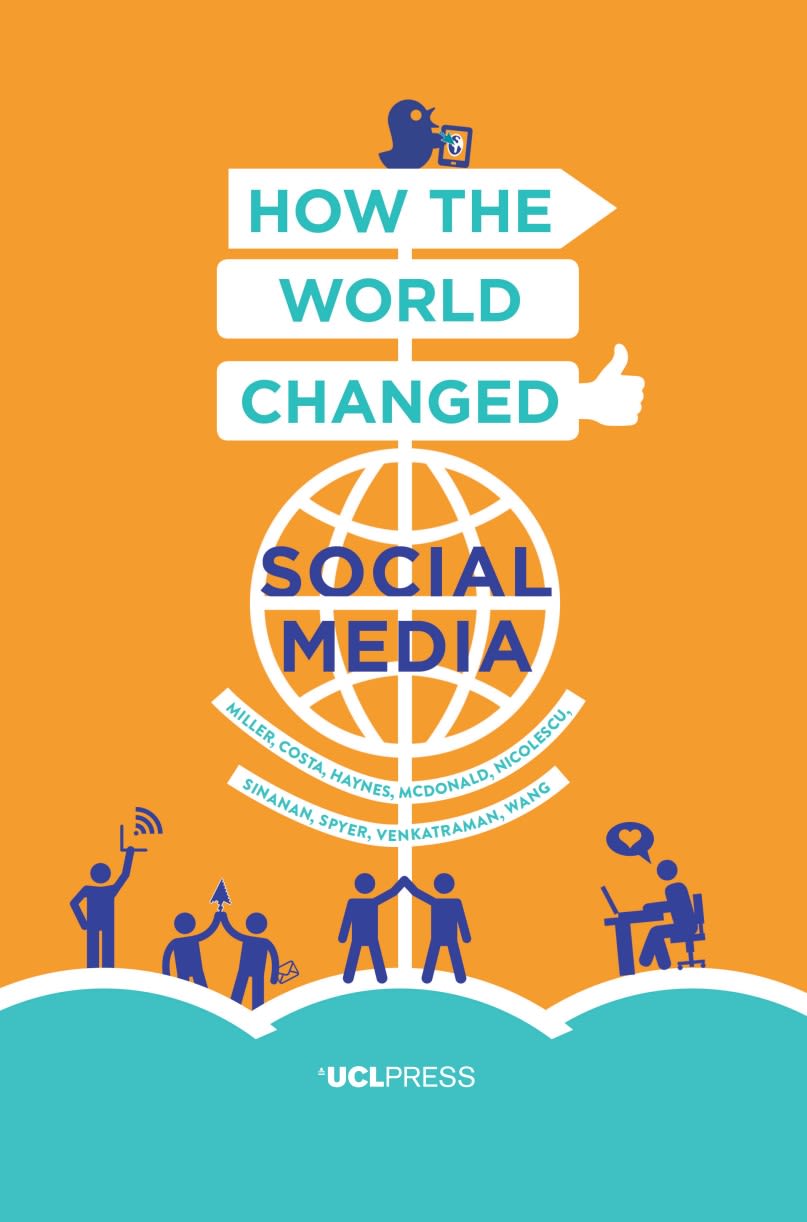
Founded as the UK’s first fully open access university press, UCL Press makes its books and journals freely available to readers everywhere.
Marking a new chapter in academic publishing, its 400-plus titles have been downloaded 20 million times worldwide, transforming global access to knowledge and research.
Image credit:
Front cover of UCL Press’s most downloaded publication,
‘How the World Changed Social Media’
by UCL Professor of Anthropology Daniel Miller.
2016
Launch of the Francis Crick Institute

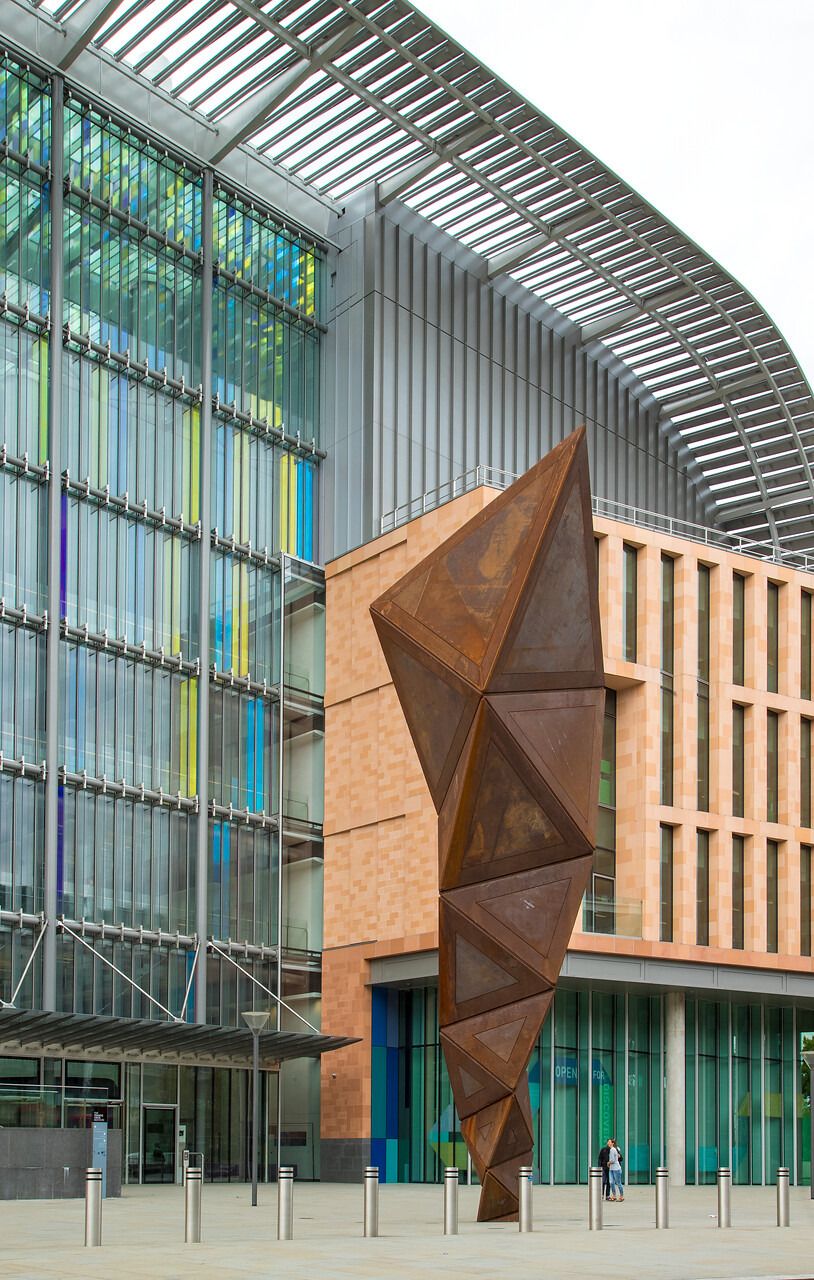
The launch of the Francis Crick Institute marked the creation of one of Europe’s largest biomedical research centres which brings together 1,500 scientists and support staff working collaboratively across disciplines.
A unique cross-institutional collaboration, it unites UCL with the Medical Research Council, Cancer Research UK, Wellcome, Imperial and King’s College London to advance understanding and develop new ways to prevent, diagnose and treat disease.
Image credit:
Francis Crick Institute building
UCL Educational Media
March 2020
UCL during the COVID-19 pandemic

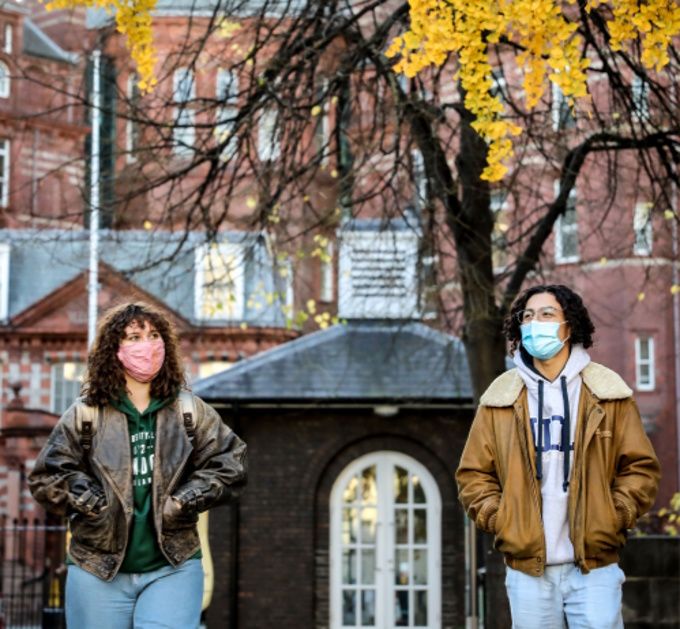
UCL rapidly adapted to meet the unprecedented challenges of COVID-19.
Reshaping approaches to teaching, assessments and support, the community stayed connected through mutual aid and digital graduations, and contributed more than £5 million to the university’s Coronavirus Response Fund.
Operational staff stayed on to support UCL communities throughout the pandemic and researchers and clinicians applied their expertise to the wider pandemic response - developing the critical life-saving UCL Ventura breathing aid manufactured around the world, informing vaccine development, advising government, and redeploying staff to the NHS.
Image credit:
Students on campus, wearing masks
Students' Union UCL
July 2020
It’s All Academic: UCL’s Largest-Ever Philanthropy and Engagement Campaign Concludes
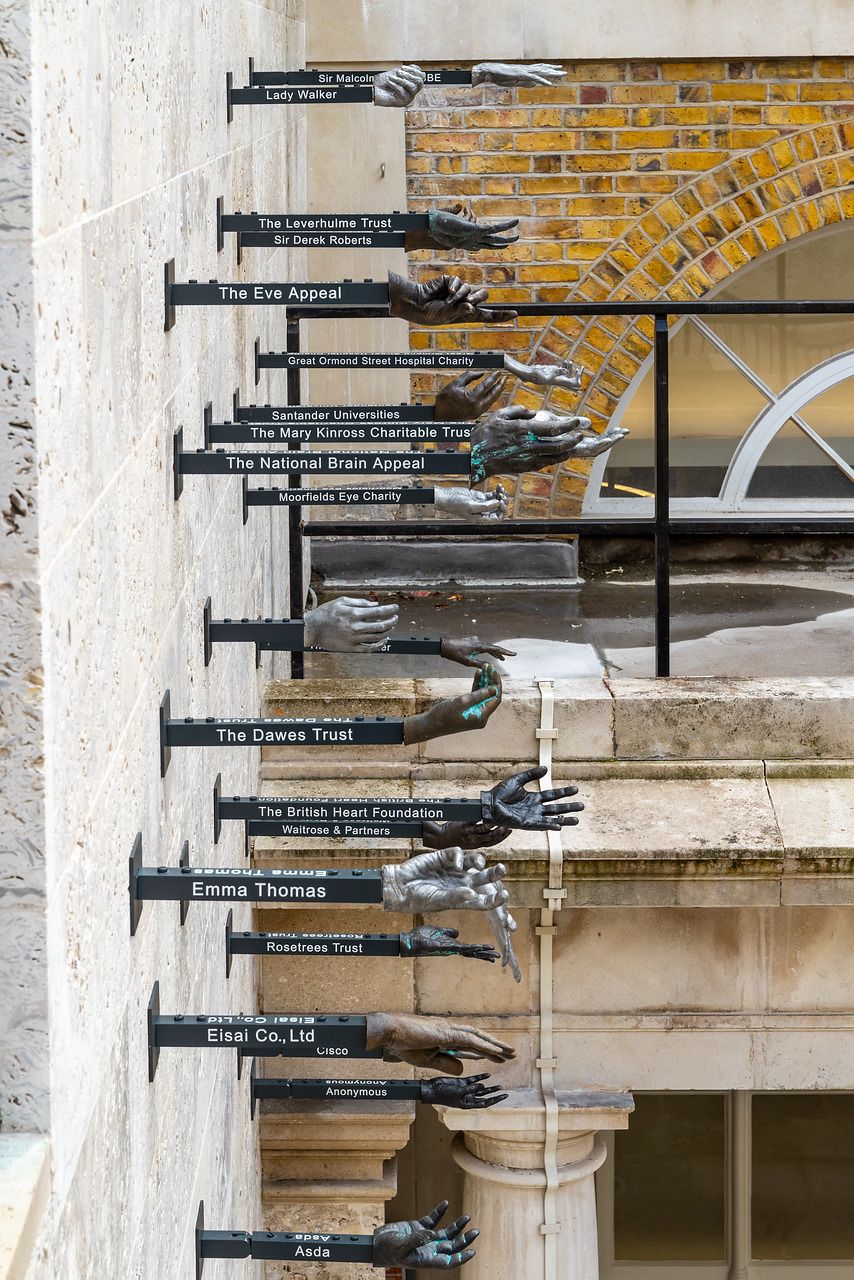
Launched in September 2016, It’s All Academic was a sector-leading, award-winning campaign that set out to transform UCL’s capacity for discovery and impact. The campaign raised an extraordinary £624 million and inspired 263,000 hours of volunteering across the UCL community.
True to UCL’s distinctive spirit, the campaign championed bold, innovative approaches to some of the world’s most pressing challenges, from neurodegenerative disease and climate change to social inequality. It also expanded opportunities for students through scholarships and vibrant new spaces for learning and collaboration.
Image credit:
The Donor Wall, created by Slade School alumna Dr Sarah Fortais
UCL Educational Media
2020 - 2025
Reckoning with UCL’s eugenics legacy

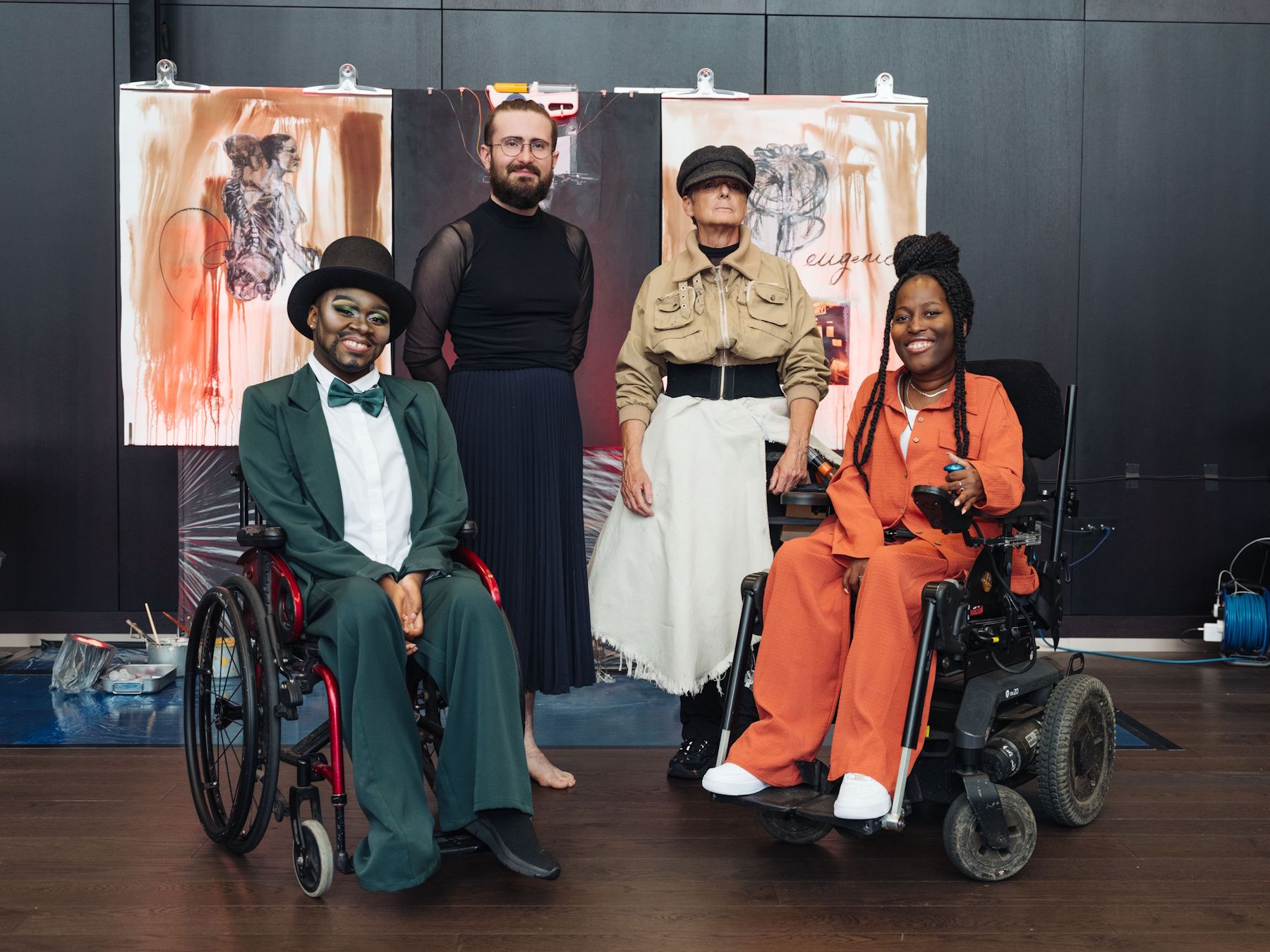
Since 2020, UCL has been confronting its troubling history through an Inquiry and a series of educational initiatives, including Legacies of Eugenics (2020–2022), Prejudice in Power (2022–2025), Eugenics Legacy Education Project (2022–2025) and Words Matter (2024 – 2025). These initiatives have opened archives, supported inclusive teaching, and encouraged public conversations through art and community engagement.
Today, we are committed to learning from our past, ensuring that equity, accountability, and ethical responsibility are always at the core of our academic culture.
Image credit:
Artists Simi Roach, Freddie Meyers, Rachel Gadsen and Miss Jacqui at the Words Matter Public Art Programme (2024–2025) sharing event.
Mediorite
2022
Opening of UCL East in Queen Elizabeth Olympic Park

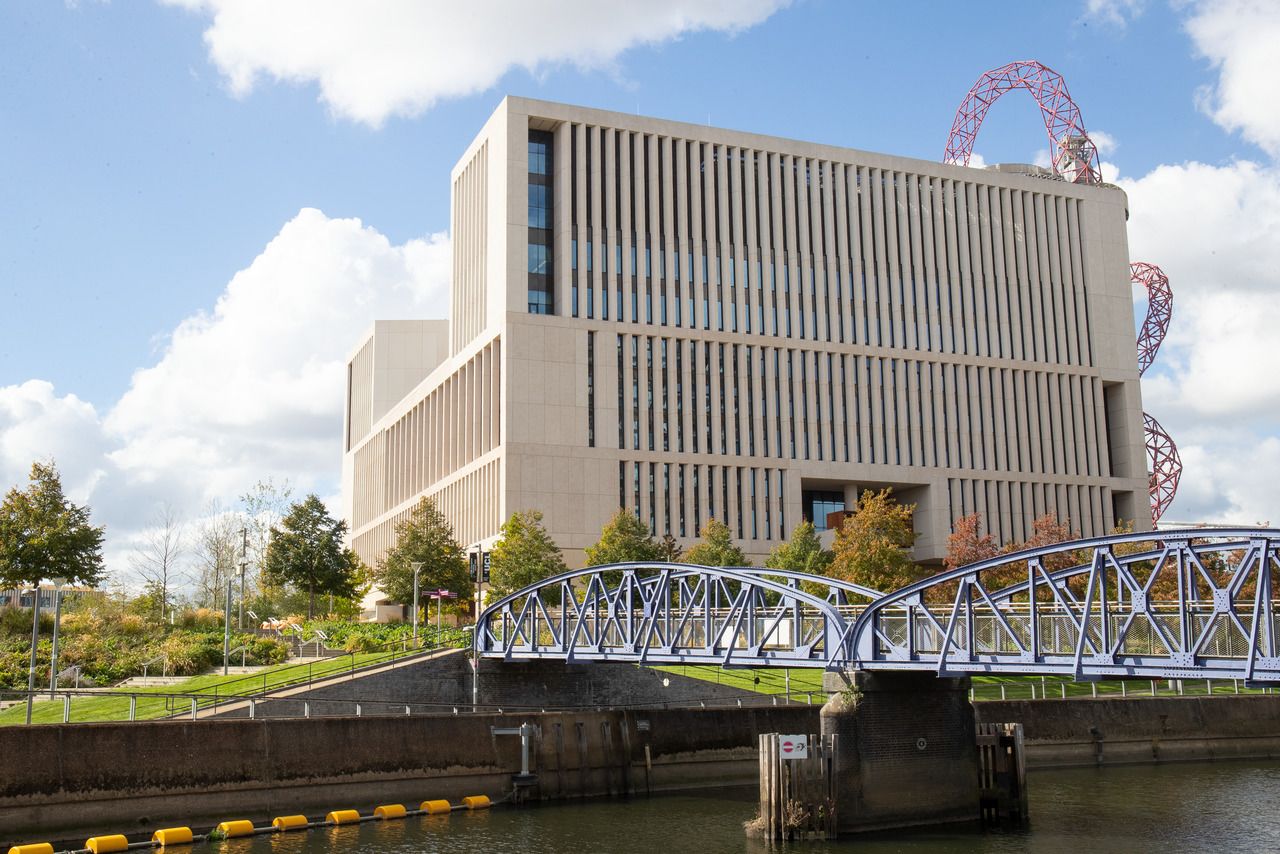
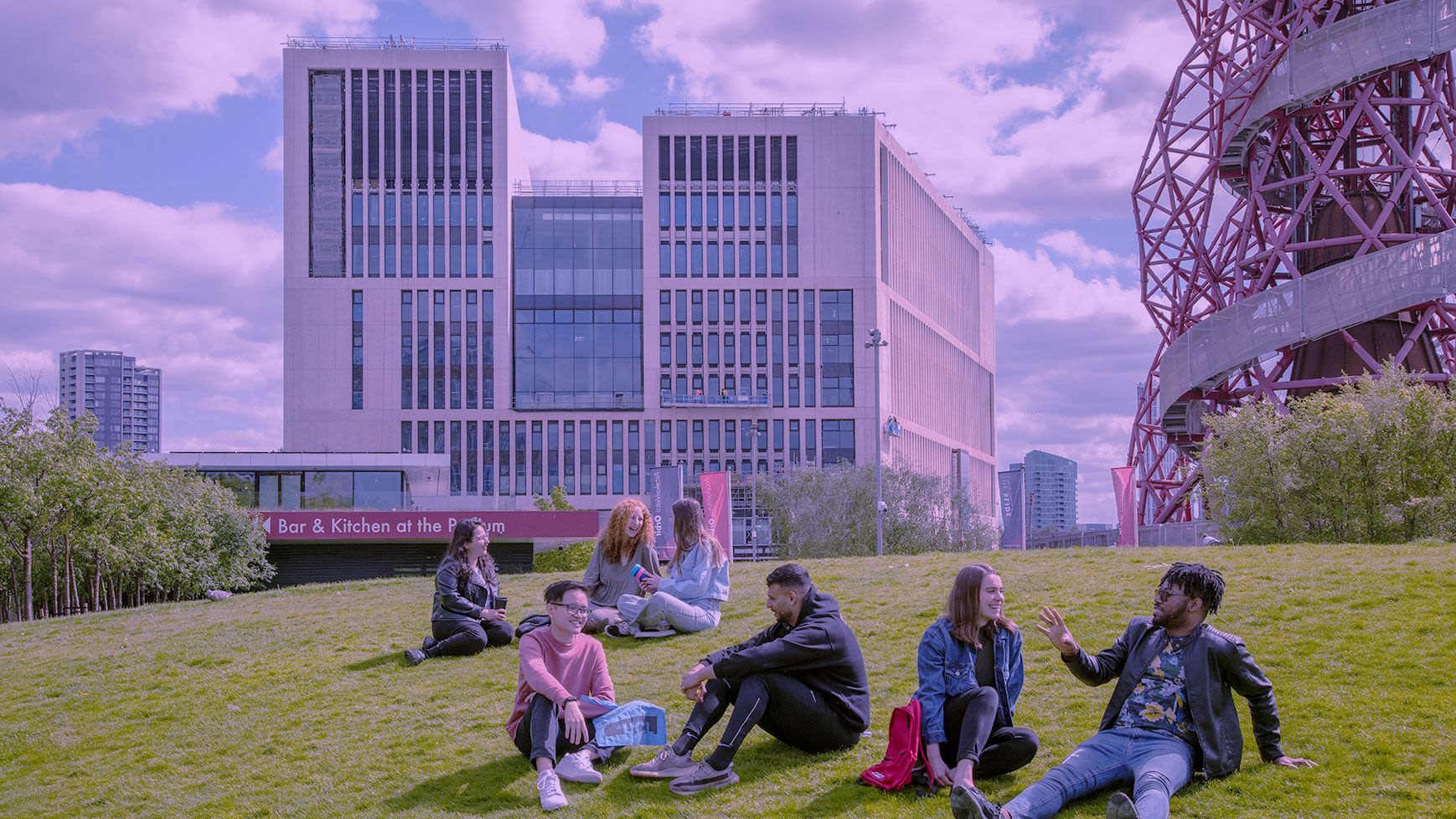
The establishment of UCL East marked the university’s largest campus expansion in nearly 200 years.
Situated in Stratford, East London, students, researchers and local communities have opportunities to share labs and studios.
Together, they break boundaries and accelerate developments in areas ranging from sustainable cities and fair finance to robotics, artificial intelligence and global health.
Image credit:
Marshgate building, UCL East
UCL Educational Media
2022
UCL’s economic impact
An independent report found that UCL contributes £9.9bn annually to the UK economy - a boost comparable to the London 2012 Olympics.
From pioneering research to community volunteering and start-up innovation, UCL’s people and partnerships continue to drive prosperity, health and opportunity across the UK.
2022
Launch of Student Life Strategy


The launch of UCL’s Student Life Strategy marked the university’s biggest-ever investment in co- and extra-curricular life, including record support for Students’ Union UCL.
Hosting over 450 clubs and societies, the Students’ Union offers thousands of opportunities across sport, arts, volunteering and leadership, empowering its members to shape both community and culture.
Image credit:
UCL Dance Society, 2025
Students' Union UCL
2024
UCL named ‘University of the Year’
This accolade from The Times and The Sunday Times Good University Guide recognised UCL’s academic excellence, interdisciplinary teaching and pioneering research, highlighting the resonance of its real-world impact.
UCL continues to drive innovation, knowledge exchange and societal progress - shaping solutions to challenges facing communities in the capital, across the UK and around the world.
2026
Projected growth of UCL’s alumni network
UCL’s alumni network currently spans thousands of graduates across more than 190 countries, with numbers expected to reach 500,000 by mid-2026.
This network of diverse cultures and perspectives enables students, staff and graduates to foster connections, share expertise and support the university’s academic and societal mission.
11 February 2026
Celebrating UCL’s bicentenary

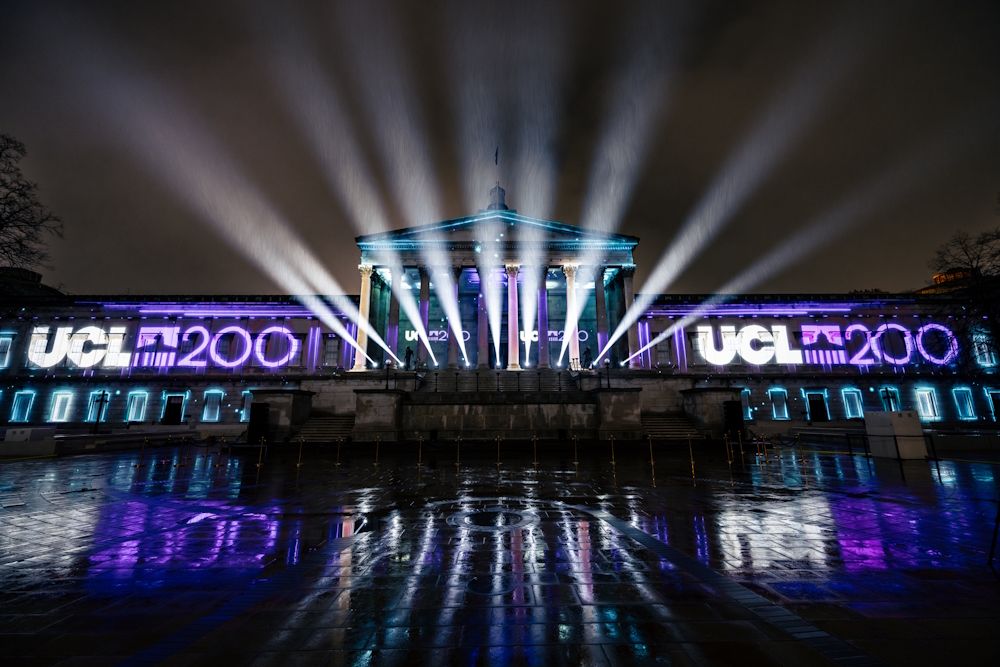
In February 2026, UCL began celebrations marking our 200th anniversary with our local and global communities, including staff, students, alumni, and partners.
UCL200 will be an exciting and varied programme of activities, events and storytelling, aiming to celebrate and reinforce UCL’s commitment to our founding values, highlight the excellence of UCL and present an ambitious and inspiring portrait of our future.

2000s Nobel Prizes
2000
Professor James J. Heckman
Awarded the Nobel Prize in Economics for the development of theory and methods for analysing selective samples.
Staff (Distinguished Chair of Economics)
2001
Sir Paul Nurse
Awarded the Nobel Prize in Physiology or Medicine for the discovery of key regulators of the cell cycle.
Staff (Director of the Francis Crick Institute)
2007
Professor Sir Martin J. Evans
Awarded the Nobel Prize in Physiology or Medicine for the discovery of principles for introducing specific gene modifications in mice for the use of embryonic stem cells.
Student and Staff (Department of Anatomy and Embryology)
2009
Professor Charles K. Kao
Awarded the Nobel Prize in Physics for groundbreaking achievements concerning the transmission of light in fibres for optical communication.
Student (Department of Electronic and Electrical Engineering)
2013
Professor James E. Rothman
Awarded the Nobel Prize in Physiology or Medicine for the discovery of machinery regulating vesicle traffic, a major transport system in our cells.
Staff (Queen Square Institute of Neurology)
2014
Professor John O’Keefe
Awarded the Nobel Prize in Physiology or Medicine for the discovery of cells that constitute a positioning system in the brain.
Staff (Sainsbury Wellcome Centre)
2020
Professor Sir Roger Penrose
Awarded the Nobel Prize in Physics for the discovery that black hole formation is a robust prediction of the general theory of relativity.
Student (Department of Mathematics) and Honorary Fellow
2024
Professor Geoffrey E. Hinton
Awarded the Nobel Prize in Physics for foundational discoveries and inventions that enable machine learning with artificial neural networks.
Staff (Gatsby Computational Neuroscience Unit)
2024
Sir Demis Hassabis
Awarded the Nobel Prize in Chemistry for protein structure prediction.
Student (Queen Square Institute of Neurology and Gatsby Computational Neuroscience Unit)
2025
Professor Philippe Aghion
Awarded the Nobel Prize in Economics for the theory of sustained growth through creative destruction.
Staff (Department of Economics)

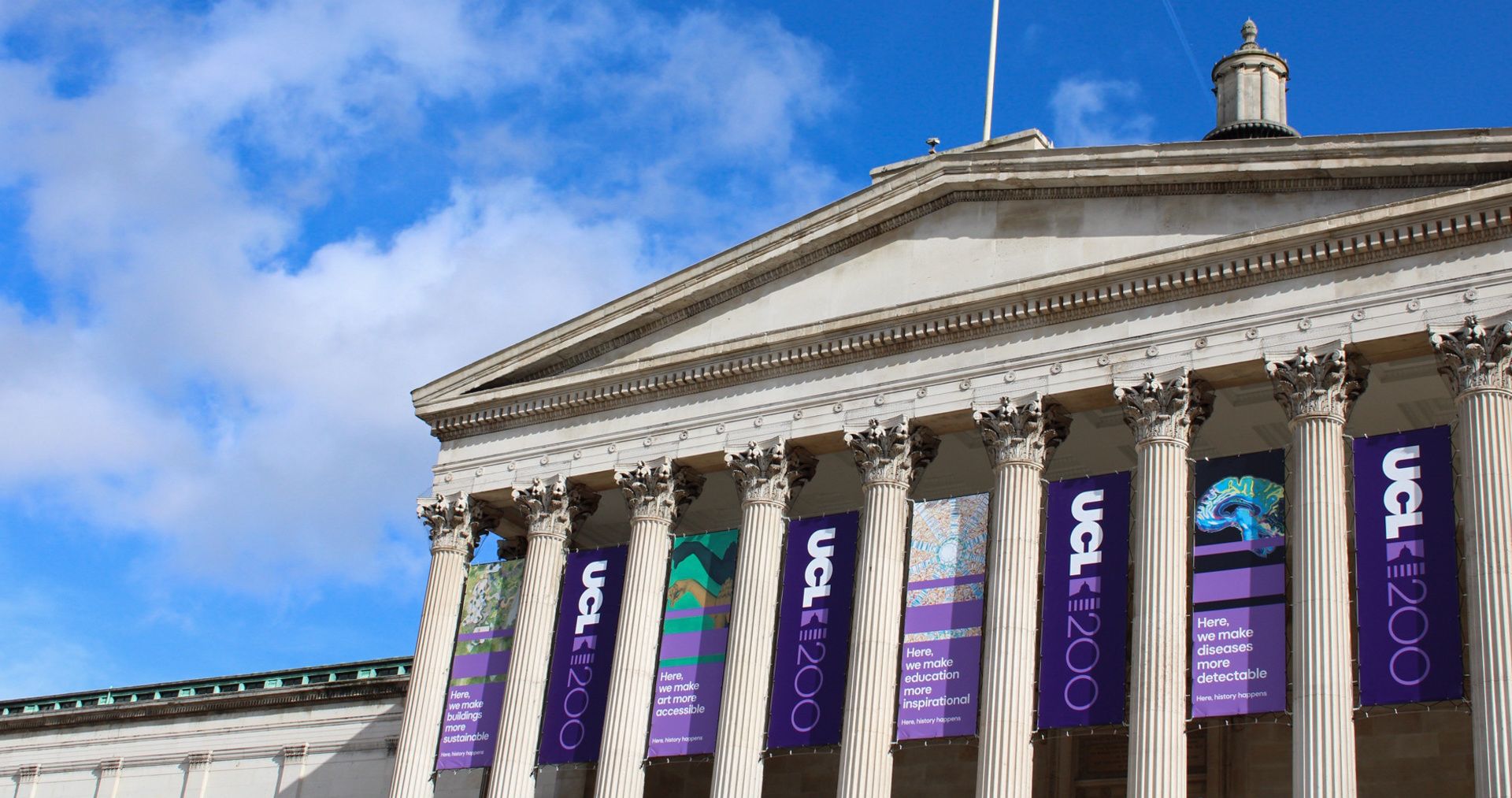
As we mark UCL's bicentenary in 2026, our focus turns to the future. Building on two centuries of transformative thinking, partnerships and global impact, we ask: what should our next century look like?
Grounded in our determination and founding values, we'll continue to broaden access to education, advance academic excellence, and generate 'useful knowledge' that drives meaningful change.
 Built with Shorthand